State Bank of India Admits Dark Web Exposure of Customer Data
India's largest lender confirmed that 4,000 customer records have been identified on illicit markets, exposing systemic vulnerabilities in the nation's financial backbone. The breach undermines trust in digital banking infrastructure.
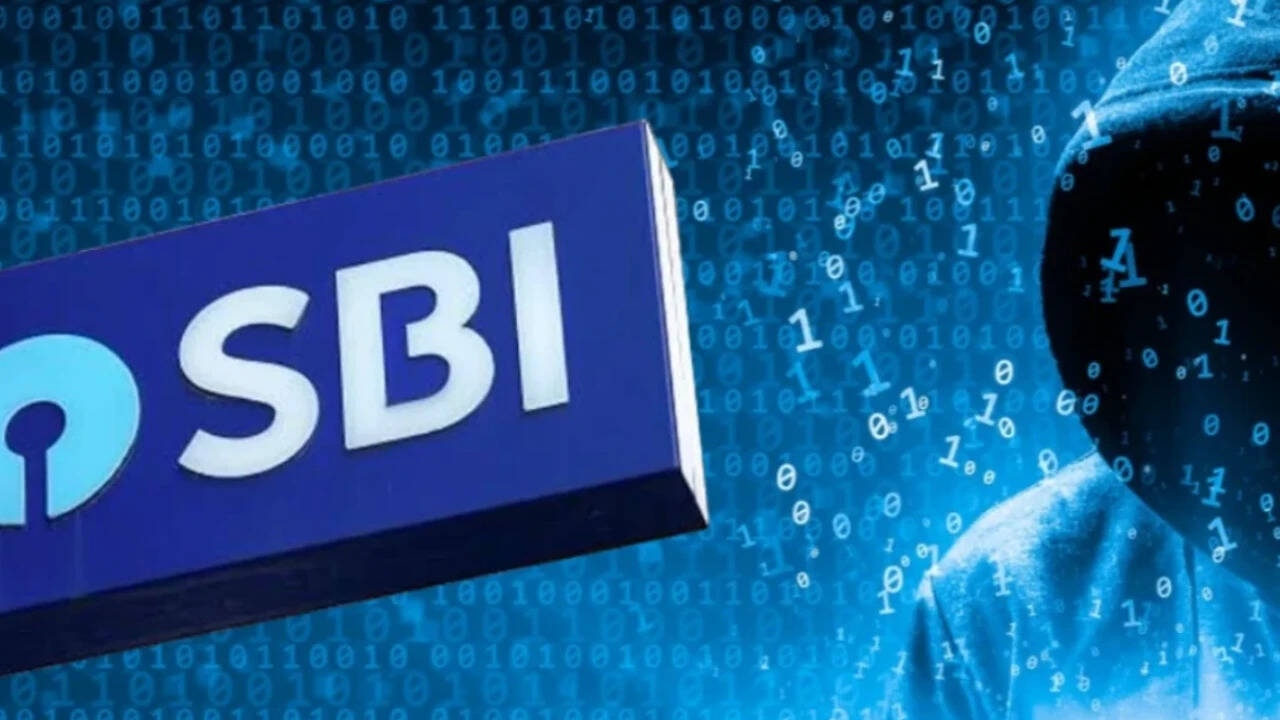
The State Bank of India, custodian of nearly half a billion accounts and the primary conduit for government welfare transfers, has acknowledged that a cybersecurity monitoring group discovered thousands of customer records circulating on dark web forums. The bank's disclosure, issued after a threat actor using the handle CyberPulse published samples of the compromised data, confirms that names, account numbers, and contact details of at least four thousand individuals are now in criminal circulation. SBI characterized the incident as a limited exposure rather than a systemic breach, yet the very presence of its data on illicit markets represents a failure of the perimeter defenses that protect the financial identity of one in every three Indians. The Reserve Bank of India has mandated a forensic audit, and the bank faces potential penalties under the newly enacted Digital Personal Data Protection Act.
The breach illuminates a structural contradiction at the heart of India's digital public infrastructure: the drive for financial inclusion has vastly outpaced the maturation of cyber resilience. SBI's technology stack, a patchwork of legacy core banking systems and newer digital layers, must serve a customer base that ranges from sophisticated urban users to first-time account holders in remote villages with minimal digital literacy. The bank's scale , over 22,000 branches and 60,000 ATMs , creates an attack surface that no single security team can comprehensively monitor. Meanwhile, the threat actors operate with the agility of startups, exploiting supply chain vulnerabilities in third-party vendors and the human factor through social engineering at a scale that mirrors the bank's own reach.
The tangible fallout extends beyond the immediate victims. Confidence in the Unified Payments Interface, the real-time payment rail that processes billions of transactions monthly, rests on the perceived inviolability of its anchor institutions. If the largest bank cannot protect basic account data, merchants and consumers may hesitate to adopt newer instruments like the digital rupee or account aggregator frameworks. The breach also hands ammunition to critics who argue that India's data localization mandates create honeypots rather than fortresses. For SBI, the cost of remediation , customer notification, card reissuance, legal liability, and reputational repair , will run into hundreds of crores, but the deeper cost is the erosion of the trust that makes a cashless economy possible.
Comments 0