State Can't Treat Natural Water Bodies As Disposable State Property: Allahabad High Court
The Allahabad High Court ruled that the state cannot treat natural water bodies as disposable property. The court held that state ownership does not grant unrestricted rights to alienate ponds, lakes, or rivers.
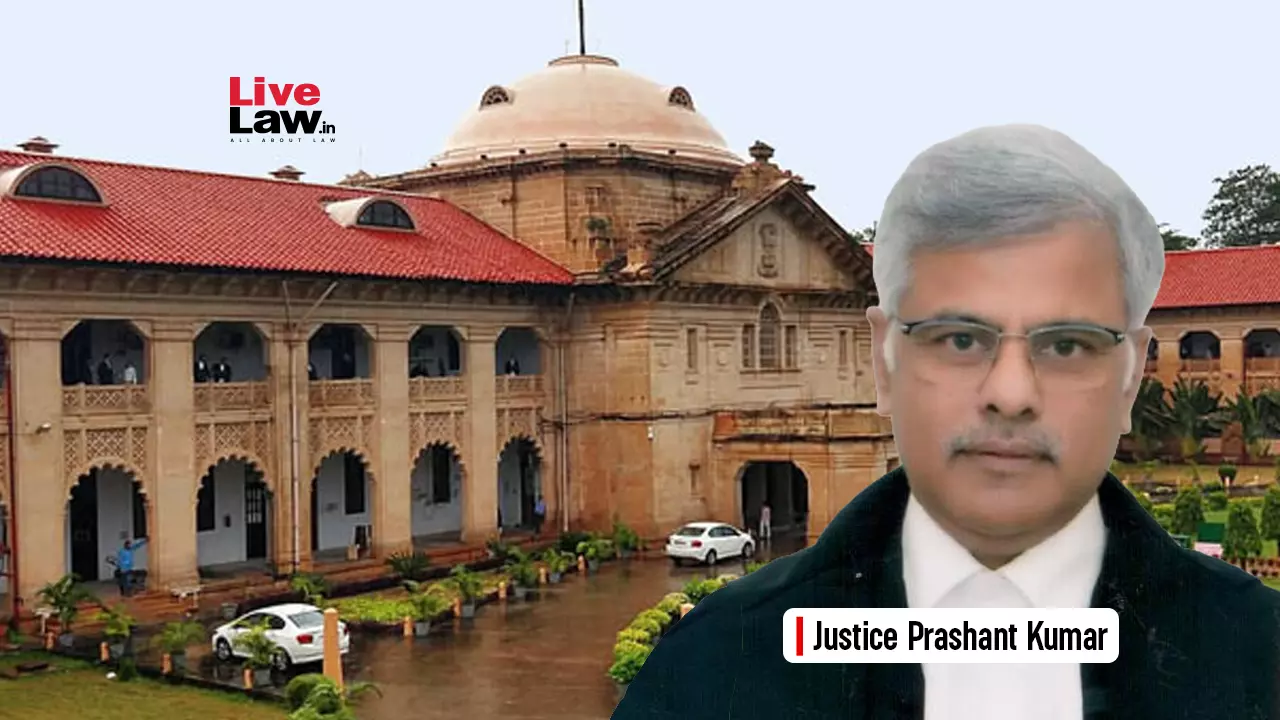
The Allahabad High Court delivered a significant environmental ruling stating that natural water bodies cannot be treated merely as disposable government property. The bench observed that while the state may hold legal ownership of lakes, ponds, and rivers, this ownership does not translate into an unrestricted right to sell, transfer, or alter them for commercial purposes. Protecting these vital ecological resources is essential for maintaining groundwater levels and local environmental balance.
For readers in India, this judgment addresses widespread concerns regarding the rapid disappearance of traditional water bodies due to unchecked real estate development and urban encroachment. Across many states, natural ponds and drainage channels have been filled over to construct buildings, worsening urban flooding and severe water shortages. The ruling provides citizens and environmental advocates with a strong legal basis to challenge unauthorized land transfers involving natural water resources.
Environmental lawyers expect this ruling to influence how municipal authorities and state agencies manage public lands containing natural water sources. Preserving these ecosystems is critical for sustainable development and long term water security in growing urban and rural communities alike.
Comments 0