State Executive Intervention in Bihar Secures Rare Public Praise Following Rural Assault Tragedy
The mother of a molestation victim in Jamui publicly lauded the Bihar Chief Minister's direct administrative response following a high-profile criminal incident. The rare gubernatorial engagement highlights a deliberate shift toward personalized grievance redressal by state executive machinery.
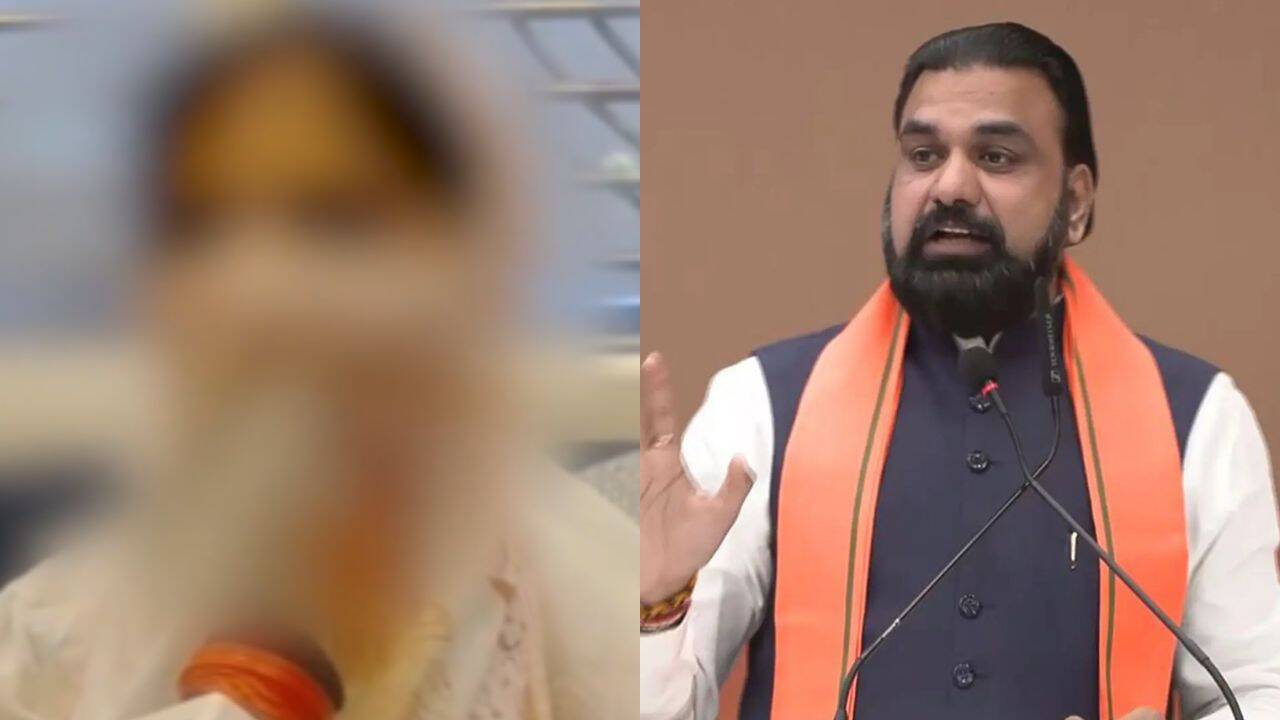
The swift administrative mobilization in Jamui district illustrates the high political stakes surrounding rural law enforcement and gender safety in Bihar. By intervening personally to reassure the victim's family, the state executive sought to preempt opposition narratives regarding administrative apathy and systemic breakdown. This direct engagement bypasses traditional bureaucratic hierarchies, establishing a direct channel between affected citizens and the highest office of the state government. Opposition factions and civil rights groups frequently highlight rural criminality as evidence of governance failure, compelling ruling administrations to react with immediate punitive measures and high-visibility support for victims. This dynamic creates an erratic governance model where policy execution often hinges on media visibility rather than institutionalized systemic reforms. The police apparatus responded to the directive with accelerated arrests, yet underlying structural vulnerabilities in rural policing remain unaddressed. Local law enforcement personnel face intense pressure to demonstrate immediate results, occasionally short-circuiting due process to appease political masters. The victim's family receives immediate financial and moral restitution, establishing a temporary shield against local intimidation. However, the broader societal transformation required to eliminate rural violence remains secondary to immediate crisis management.
Comments 0