Strait of Hormuz Shipping Traffic Contracts as Regional Chokepoints Tighten
Maritime commodity transit through the Strait of Hormuz has slowed dramatically to a fraction of its normal volume as regional security concerns mount. The sudden constriction of global energy arteries has forced a rerouting of crude supply lines, sending immediate shockwaves through international shipping economics.
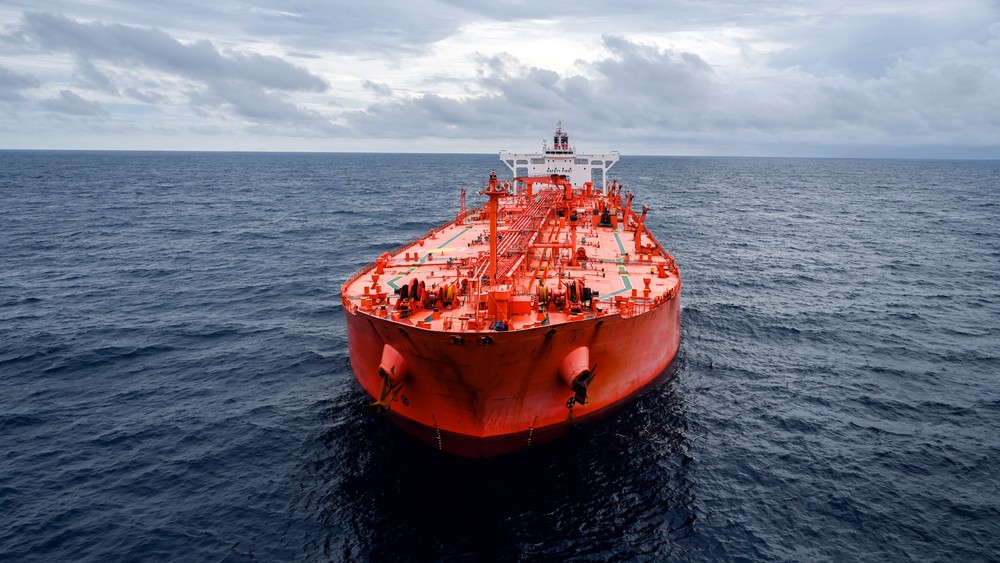
The maritime passage of bulk commodity carriers and petroleum tankers through the Strait of Hormuz has experienced a sharp, unprecedented decline over the weekend. Official tracking records indicate that a mere dozen commercial vessels completed the transit, dropping precipitously from the thirty-five carriers typically observed navigating the critical chokepoint. This constriction reflects mounting apprehension among shipowners and charterers regarding safety hazards in the Persian Gulf, compelling maritime operators to reevaluate standard sailing schedules and seek alternative corridors. Simultaneously, this shipping contraction has triggered a notable reconfiguration of global energy supply logistics. As vessels avoid the traditional Middle Eastern lanes, alternative export terminals, such as Saudi Arabia's Red Sea pipelines, have recorded an upswing in operational throughput. State energy planners and private logistics firms are scrambling to absorb the displaced tonnage, exposing the fragility of maritime supply chains when geopolitical friction restricts primary oceanic thoroughfares. The immediate commercial casualties include independent freight operators and commodity traders facing inflated insurance premiums and extended voyage durations. Downstream, energy importing economies must absorb the rising costs of maritime transport and logistical delays, which threaten to feed inflation across refined petroleum products. Analysts project that persistent maritime avoidance in the region will structurally reset freight rates and compel permanent shifts in international oil routing over the coming quarters.
Comments 0