Strategic Imperatives for Future Warfare Following Operation Sindoor
Defense analysts evaluated lessons from Operation Sindoor at a national security summit following cross-border terror attacks. The military assessment demands a radical modernization of electronic warfare and autonomous strike capabilities for future engagements.
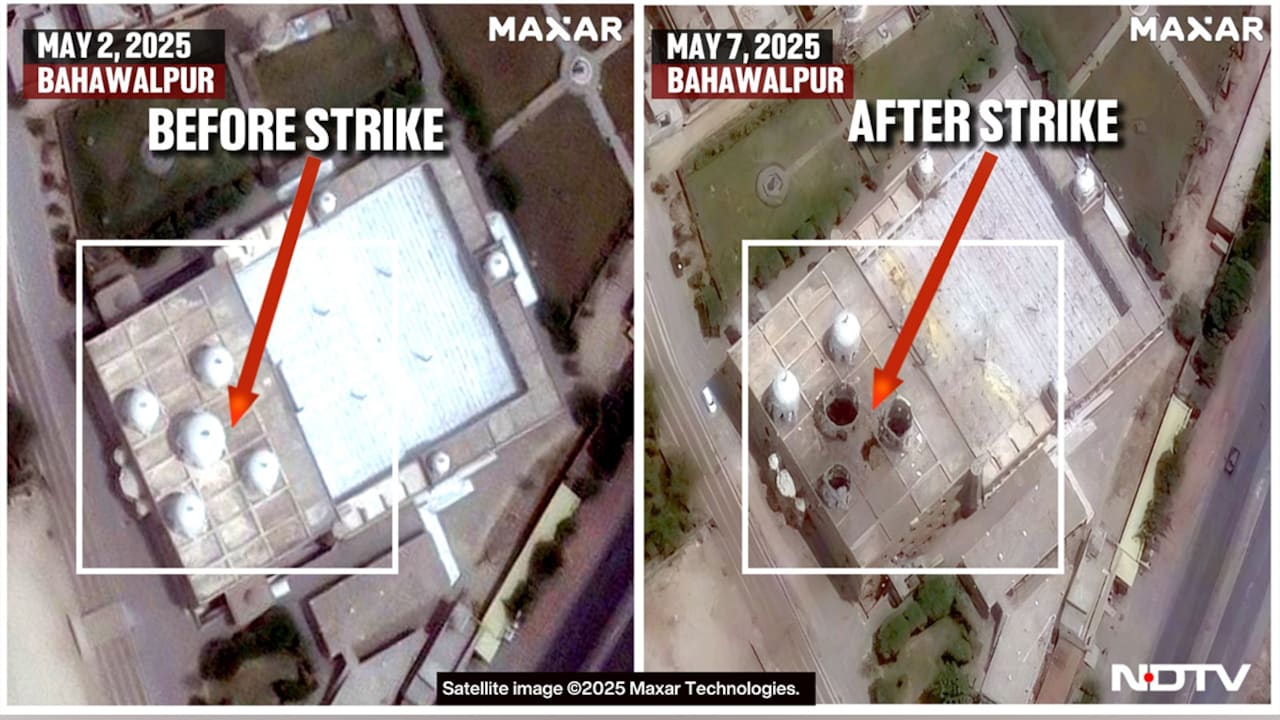
Military strategists meeting in New Delhi dissected the operational realities of Operation Sindoor, launched in the wake of the Pahalgam terror atrocities. The debriefing revealed critical vulnerabilities in conventional deterrence models when confronted by asymmetric state actors. Senior commanders emphasized that traditional infantry deployments are increasingly inadequate against networked militant infrastructure supported by advanced cyber capabilities. The symposium exposed deep institutional friction within the defence procurement apparatus, which remains mired in bureaucratic inertia. Procurement delays routinely stall the acquisition of domestic drone swarms and integrated air defense shields. Defense experts argued that India must transition from importing legacy hardware to developing indigenous counter-UAV systems and hypersonic delivery platforms to secure its northern and western frontiers. The resulting shift in defense policy prioritizes joint theater commands and real-time intelligence fusion over service-specific acquisitions. Budgetary allocations are shifting toward artificial intelligence applications in battlefield management and electronic jamming apparatus. These adjustments ensure that the military command structure can execute rapid punitive strikes without escalating into prolonged conventional stalemate.
Comments 0