Strategic Kishau Pact Reallocates Water Resources and Alleviates Himachal Financial Liabilities
A landmark inter-state agreement regarding the Kishau project secures critical water gains for Haryana while relieving Himachal Pradesh of a massive financial burden. The accord marks a cooperative milestone in regional resource management across northern India.
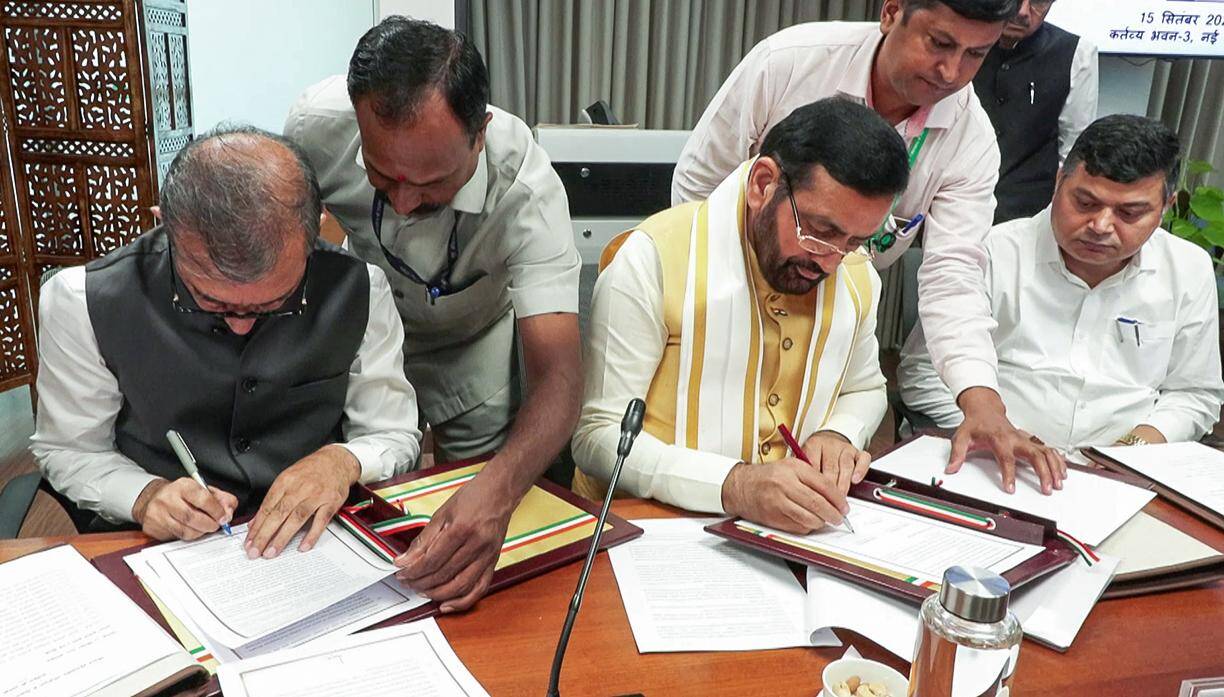
The finalization of the Kishau pact resolves decades of bureaucratic gridlock between northern state governments concerning shared river basins and hydroelectric obligations. Under the terms of the new arrangement, Haryana secures vital irrigation and drinking water allocations, addressing escalating urban and agricultural deficits. Simultaneously, Himachal Pradesh is absolved of a crushing two thousand crore rupee power liability, shifting the fiscal weight to wealthier beneficiary states positioned to absorb the infrastructure costs. Negotiations were fraught with regional political friction, as opposition leaders in Himachal questioned the long-term trade-offs of surrendering control over local hydro assets for immediate debt relief. Water resource distribution invariably touches upon hyper-sensitive local identities, requiring delicate mediation by federal arbitration boards. The final compromise reflects a pragmatic realization that unilateral posturing benefits neither deficit-ridden mountain economies nor parched downstream agricultural heartlands. The immediate outcome is a revived blueprint for construction on the Kishau dam, injecting fresh momentum into regional infrastructure development. Downstream agricultural yields in Haryana are projected to stabilize, while Himachal can redirect its fiscal reserves toward social sector spending rather than servicing stranded power debt. This cooperative framework is expected to serve as a template for resolving pending inter-state water disputes across the subcontinent.
Comments 0