Stubble Collection Saves Barabanki Farmers Up To Rs 3,000 Per Acre As Biogas Plants Convert Crop Waste Into Energy
Farmers in Barabanki are saving up to Rs 3,000 per acre by using biogas plants to convert crop residue into energy. This initiative reduces the time and cost associated with clearing fields after harvest.
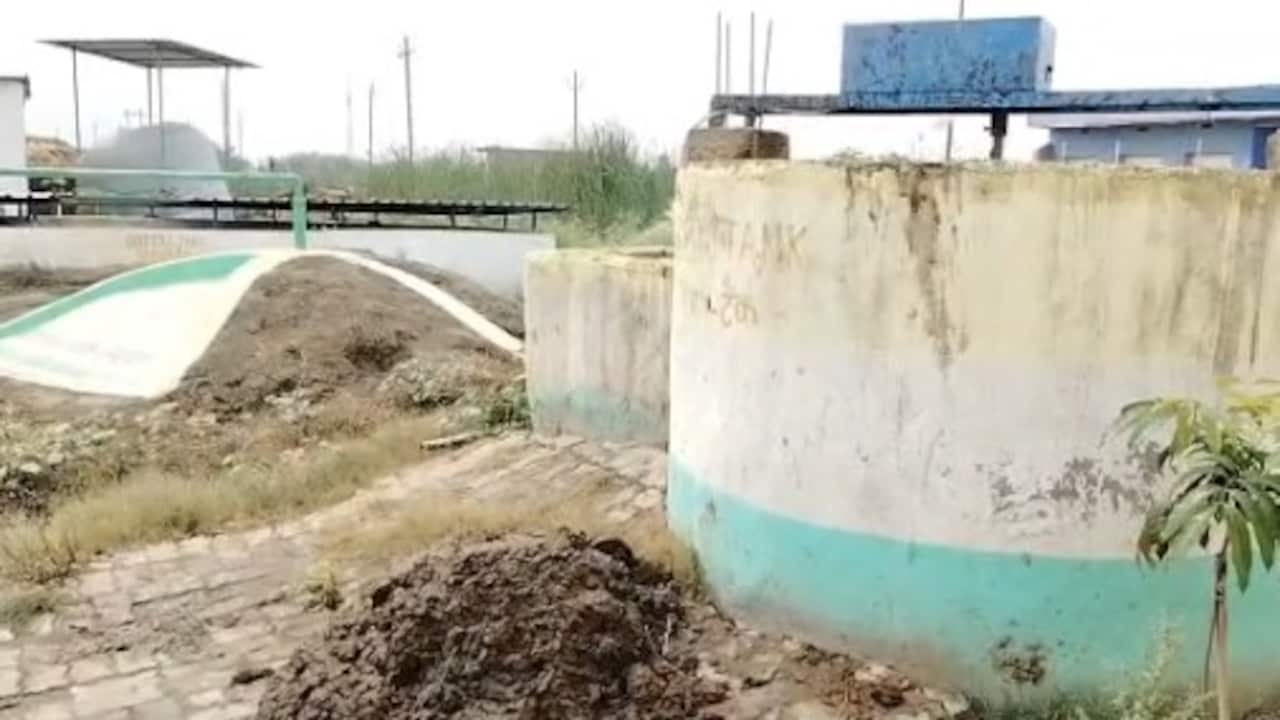
In the agricultural heartland of Barabanki, a new approach to managing crop waste is yielding significant financial benefits for local farmers. By channeling stubble and other agricultural residue into biogas plants, these farmers are not only addressing the environmental challenge of burning crop waste but also cutting their operational costs. The system allows them to convert what was previously a liability into a usable energy source, thereby reducing the expenses typically incurred during the post-harvest cleanup phase.
The economic impact of this shift is substantial, with farmers reporting savings of up to Rs 3,000 per acre. This reduction in cost is achieved by eliminating the need for expensive manual labor or machinery solely for the purpose of clearing fields. Furthermore, the process saves considerable time, allowing farmers to prepare their land for the next planting cycle more efficiently. This efficiency is particularly important in a region where timely sowing is critical for maximizing yields.
For readers in India, this model offers a practical solution to the recurring issue of stubble burning, which has long been a source of air pollution and regulatory friction. By integrating waste management with energy production, the Barabanki initiative demonstrates how agricultural practices can be made more sustainable and economically viable. It highlights a path forward for other farming communities seeking to reduce costs while contributing to cleaner air and more efficient land use.
Comments 0