Student Politics and Ideological Confluence Shape Delhi University Elections
The Akhil Bharatiya Vidyarthi Parishad has secured decisive victories across multiple key colleges in the Delhi University student union elections. These results reflect shifting ideological currents among urban youth and provide a bellwether for broader political alignments.
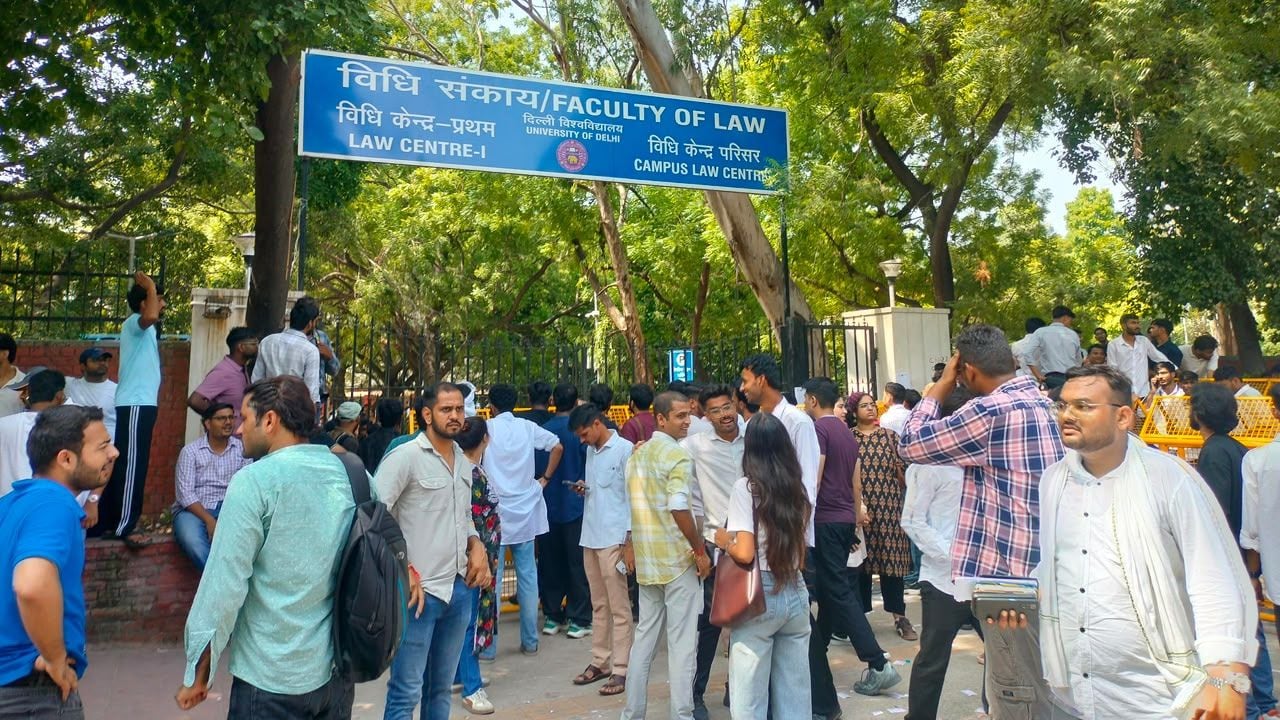
Student union elections at central universities serve as intense laboratories for national political parties to test rhetoric, organizational strength, and youth mobilization strategies. The electoral contests across prominent institutions like Ramjas and affiliated colleges featured aggressive campaigns centered on campus infrastructure, ideological representation, and administrative accountability. The resulting victories for the incumbent nationalist student wing demonstrate sustained organizational discipline and effective grassroots outreach. The electoral arena is frequently marked by sharp ideological polarization between competing student factions, leading to administrative crackdowns and intense debates over free expression on campus. University administrations find themselves navigating the delicate balance between permitting robust political discourse and maintaining institutional neutrality. The triumphs recorded by specific factions highlight how local campus grievances intertwine with national identity narratives. The immediate consequence is a strengthening of ideological dominance within the university's representative bodies, influencing cultural programming and student welfare advocacy for the academic year. Winning candidates often transition directly into mainstream party politics, making these election outcomes a critical pipeline for future political leadership. The institutional culture of the university remains deeply reflective of the broader socio-political anxieties gripping urban India.
Comments 0