Skip to content
🌐 Global🇮🇳 India📍 Asia-Pacific📍 Bihar📍 Delhi-NCR📍 East India📍 Europe📍 Gujarat📍 Karnataka📍 Kerala📍 Madhya Pradesh📍 Maharashtra📍 Middle East📍 North India📍 Northeast India📍 Punjab📍 Rajasthan📍 South India📍 Tamil Nadu📍 Telangana📍 United Kingdom📍 United States📍 Uttar Pradesh📍 West Bengal📍 West India
LIVE
Mere Failure Of IVF Treatment Does Not Establish Offence Of Cheating: Allahabad High Court Quashes Criminal Case Against Doctor◆Centre can intervene on airfares in ‘extraordinary’ circumstances, new rules say◆Directorate General of Civil Aviation probe into Belagavi trainer aircraft crash finds many deficiencies in training academy◆Oil Prices Plunge as Draft Proposal to End U.S.-Iran War is Circulated◆Chinese software that produces ready-to-publish research papers in under two hours threatens peer-review system◆'Why not accept Indian citizenship?': Bombay high court questions Imran Khan over SIR protest as actor's OCI status takes centre stage◆Rubber price touches record ₹300 a kg◆Patna Book Fair Opens Focused on Young Readers and Aspiring Writers◆Mere Failure Of IVF Treatment Does Not Establish Offence Of Cheating: Allahabad High Court Quashes Criminal Case Against Doctor◆Centre can intervene on airfares in ‘extraordinary’ circumstances, new rules say◆Directorate General of Civil Aviation probe into Belagavi trainer aircraft crash finds many deficiencies in training academy◆Oil Prices Plunge as Draft Proposal to End U.S.-Iran War is Circulated◆Chinese software that produces ready-to-publish research papers in under two hours threatens peer-review system◆'Why not accept Indian citizenship?': Bombay high court questions Imran Khan over SIR protest as actor's OCI status takes centre stage◆Rubber price touches record ₹300 a kg◆Patna Book Fair Opens Focused on Young Readers and Aspiring Writers◆
Home / Science
Science

Study Finds Captivity Alters Gut Microbiome of Bengal Tigers

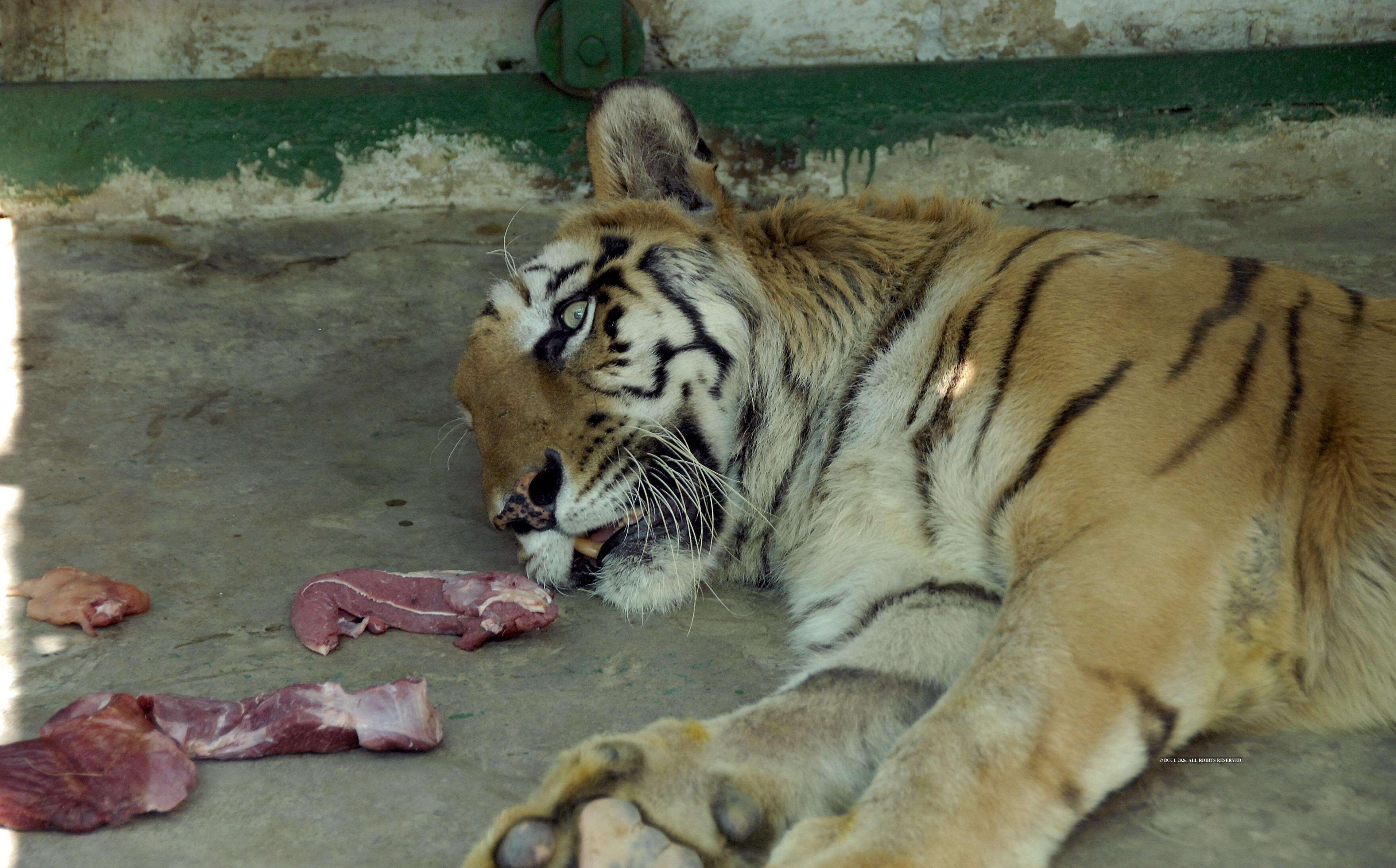
Research by the Zoological Survey of India reveals that captive Bengal tigers host a markedly different gut bacterial composition compared to their wild counterparts, whose microbiomes are richer and more diverse. The findings raise concerns about the health implications of long‑term captivity.
TOI West BengalNovember 2, 20261 min read
Share this story
Study Finds Captivity Alters Gut Microbiome of Bengal Tigers
The Strategic Consequence
Within a year, Indian zoos are expected to adopt microbiome‑aware dietary regimes for big cats.

Scientists from the Zoological Survey of India conducted a comparative analysis of fecal samples collected from captive Bengal tigers housed in zoos across the country and from wild individuals tracked in protected reserves. Using high‑throughput sequencing, the team identified a pronounced reduction in bacterial taxa associated with fiber digestion among the captive cohort, alongside an over‑representation of microbes linked to processed diets. The disparity suggests that the controlled feeding regimes and limited environmental exposure inherent to captivity reshape the gut ecosystem in ways that may affect nutrient absorption and immune function.

The study highlights an underlying tension between conservation objectives that rely on captive breeding programs and the physiological welfare of the animals involved. While ex‑situ conservation aims to safeguard genetic diversity, the altered microbiome could predispose captive tigers to metabolic disorders, gastrointestinal ailments, and reduced resilience to disease. The researchers caution that without dietary adjustments that mimic the complexity of a wild prey base, captive populations may experience health declines that compromise breeding success and long‑term viability.

Advertisement

If the microbiome differences are not addressed, the downstream consequences could extend to reintroduction efforts, where animals accustomed to a simplified gut flora may struggle to adapt to natural foraging conditions, jeopardising the success of restoration projects. The findings may prompt zoos and wildlife sanctuaries to revise feeding protocols, incorporate probiotic supplementation, and design habitats that encourage natural foraging behaviours. Such measures could enhance the overall health of captive tigers and improve the prospects of future releases into the wild.

📡 Verified Wire Agency Verified Resource & Provenance
✉
The Next Brief
Get the day's most important stories in one email
AI-curated morning digest. No noise. Unsubscribe anytime.

Comments 0

Advertisement

Related stories

Most read

  1. 1The INDIA Bloc's March on Ramlila Maidan: A Direct Challenge to Electoral AuthorityPolitics
  2. 2‘Cause not yet established’: Bengaluru's 5-star Conrad hotel breaks silence after German, Slovak nationals die in swimming poolTop Stories
  3. 3Israel Appoints First Ambassador to Somaliland, Extending Diplomatic ReachWorld
  4. 4INDIA Bloc Holds “Vote Bachao, Desh Bachao” Maha Rally at Ramlila Maidan - NorthEast India24Top Stories
  5. 5Bangladesh forms wage board as garment workers protestWorld