Subsidized Renal Care Arrives for Vulnerable Populations in South Kolkata
A municipal healthcare center in south Kolkata has launched an affordable dialysis initiative charging merely Rs 200 per session to alleviate the financial hemorrhaging of chronic kidney patients. This intervention directly addresses the stark economic barriers that routinely force low-income households into generational debt for life-sustaining treatments.
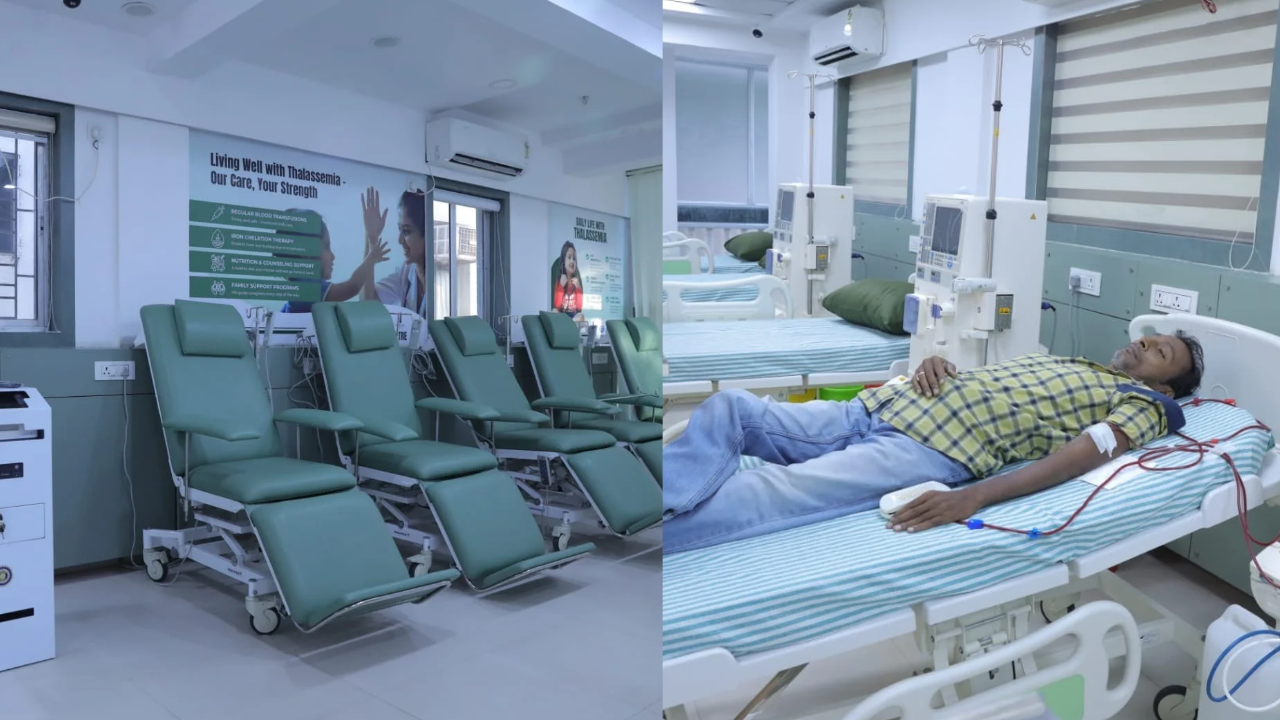
The newly operational renal unit at the south Kolkata healthcare facility represents a localized shift in public health delivery. By capping the cost at a nominal rate, the center absorbs the high recurring expenditures of specialized blood purification therapies that typically drain working-class families. Twenty-four patients can now receive treatment daily under supervised clinical conditions, transforming an otherwise prohibitive monthly medical burden into a manageable routine. Public health infrastructure across urban centers frequently buckles under the weight of non-communicable diseases, leaving impoverished demographics at the mercy of predatory private clinics. Municipal bodies face continuous friction between maintaining fiscal restraint and responding to the urgent demands of an aging, ailing citizenry. Subsidizing specialized care requires delicate reallocations of municipal budgets, testing the administrative resolve of local health authorities against systemic supply chain costs for sterile consumables and specialized machinery. Downstream, this operational model relieves profound financial distress for dozens of households, preventing the total liquidation of family assets for basic healthcare. Private dialysis providers in the surrounding neighborhoods will likely experience a drop in subsidized patient volume, forcing a recalibration of local market rates. Ultimately, sustained municipal backing could establish a blueprint for similar affordable clinics across other West Bengal districts, gradually eroding the monopoly of out-of-pocket medical expenditures.
Comments 0