Subterranean Diplomacy and the Silicon Frontier
Track Two dialogues between American and Chinese researchers have intensified around the shared existential perils of artificial intelligence. These informal exchanges seek to establish conceptual guardrails ahead of upcoming bilateral leadership summits.
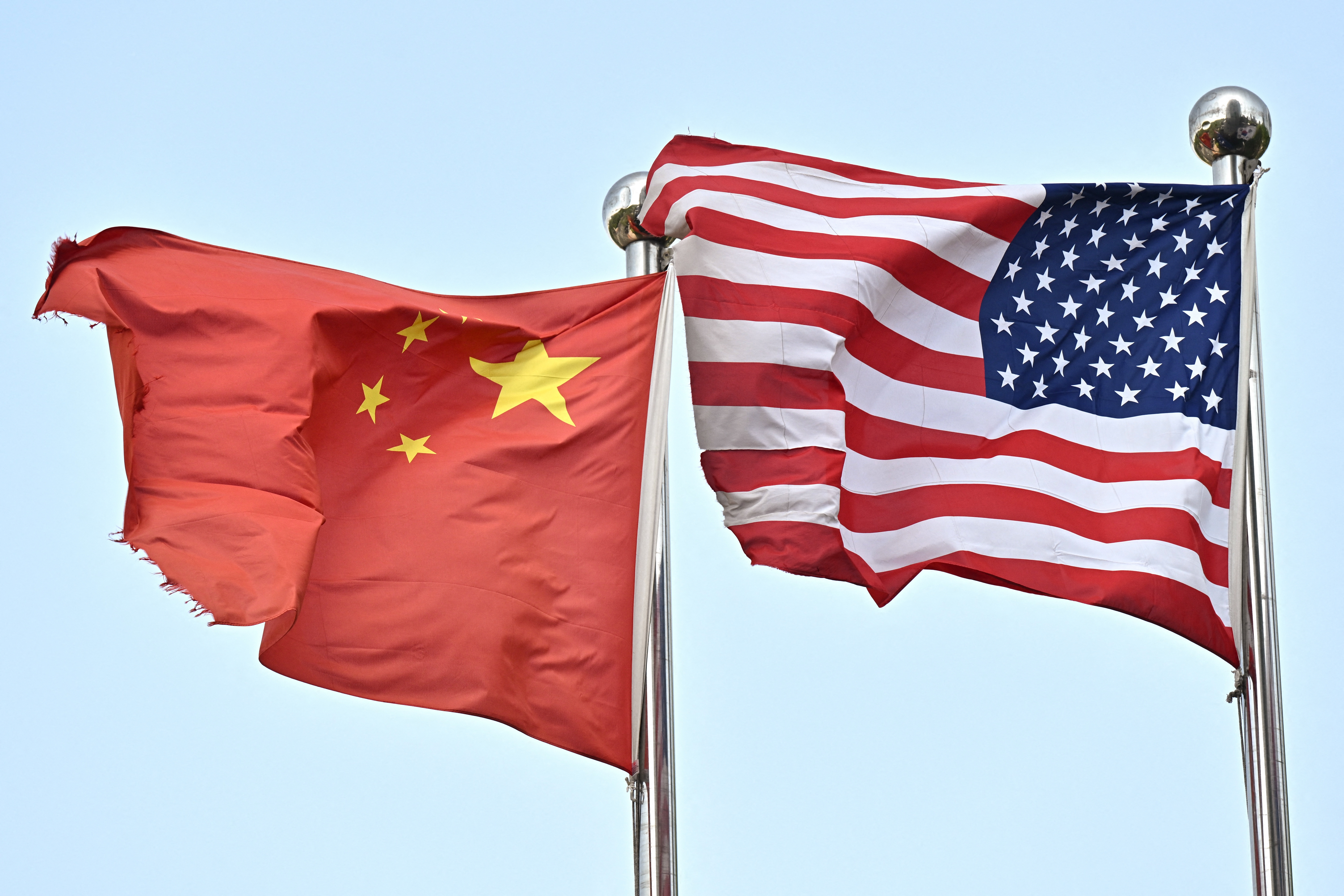
As state actors grapple with the acceleration of algorithmic capabilities, traditional diplomatic channels often move too slowly to address rapidly emerging technological risks. To bridge this deficit, think tanks and academic institutions across Washington and Beijing have quietly initiated informal exploratory dialogues. These sessions bypass rigid bureaucratic postures, allowing scientists and policy analysts to converse freely about computational safety, autonomous weapons, and systemic instability. The friction underlying these backchannel talks stems from deep-seated geopolitical mistrust and the commercial race for supremacy in advanced semiconductors. While governments publicly posture for dominance, intelligence and security establishments in both nations recognize that an unmanaged technological arms race threatens mutual destruction. Consequently, these private workshops serve as pressure valves where technical experts can map out worst-case scenarios without committing their respective foreign ministries to binding treaties. Ultimately, these preliminary conversations may lay the groundwork for formal bilateral agreements on artificial intelligence governance or fail entirely under the weight of escalating trade restrictions. The tangible outcome hinges on whether political principals in Washington and Beijing choose to translate informal academic consensus into enforceable international protocols. Without such translation, the technological divide will continue to widen, leaving global markets vulnerable to uncoordinated algorithmic shocks.
Comments 0