Sugarcane Surge Deepens Water Crisis in Drought‑Stricken Marathwada
Cultivation of water‑intensive sugarcane has risen 36 percent in five years across Marathwada, aggravating an already severe scarcity of groundwater. The shift threatens agricultural sustainability and heightens tension between farmers and state water authorities.
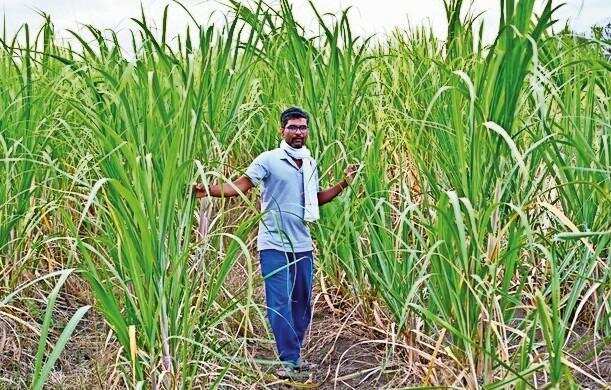
The concrete rupture is evident in the rapid expansion of sugarcane acreage in Marathwada, a region long plagued by erratic monsoons and dwindling aquifers. Farmers, lured by higher market prices and government subsidies, have replaced traditional millets and pulses with a crop that demands upwards of twelve thousand litres of water per hectare each season. Satellite imagery and local water‑board records confirm a marked increase in irrigation withdrawals, straining the already over‑exploited Bhima and Godavari basins.
Underlying tension stems from a clash between agrarian aspirations and environmental stewardship. State officials have warned that unchecked sugarcane cultivation could push groundwater levels beyond recovery, yet policy incentives continue to promote the cash crop. Rural cooperatives argue that alternative livelihoods are scarce, while environmental NGOs cite scientific studies linking sugarcane expansion to accelerated soil salinisation and reduced river flows, fueling a debate over the future of water allocation in the region.
The downstream casualties manifest as reduced water availability for domestic use, heightened competition among farmers for limited irrigation, and a rise in indebtedness as yields falter under water stress. Villages report longer queues at communal wells and increased reliance on costly diesel‑powered pumps, eroding household incomes. In the longer term, the pattern may compel migration to urban centres, altering demographic balances and pressuring city infrastructures.
Comments 0