Supreme Court Challenges Tamil Nadu Resistance Over Hindi Instruction in Federal Schools
The Supreme Court of India questioned the Tamil Nadu government regarding its refusal to incorporate Hindi instruction in local Navodaya Vidyalaya institutions. The judicial friction highlights persistent federalist tensions over language policy and state autonomy.
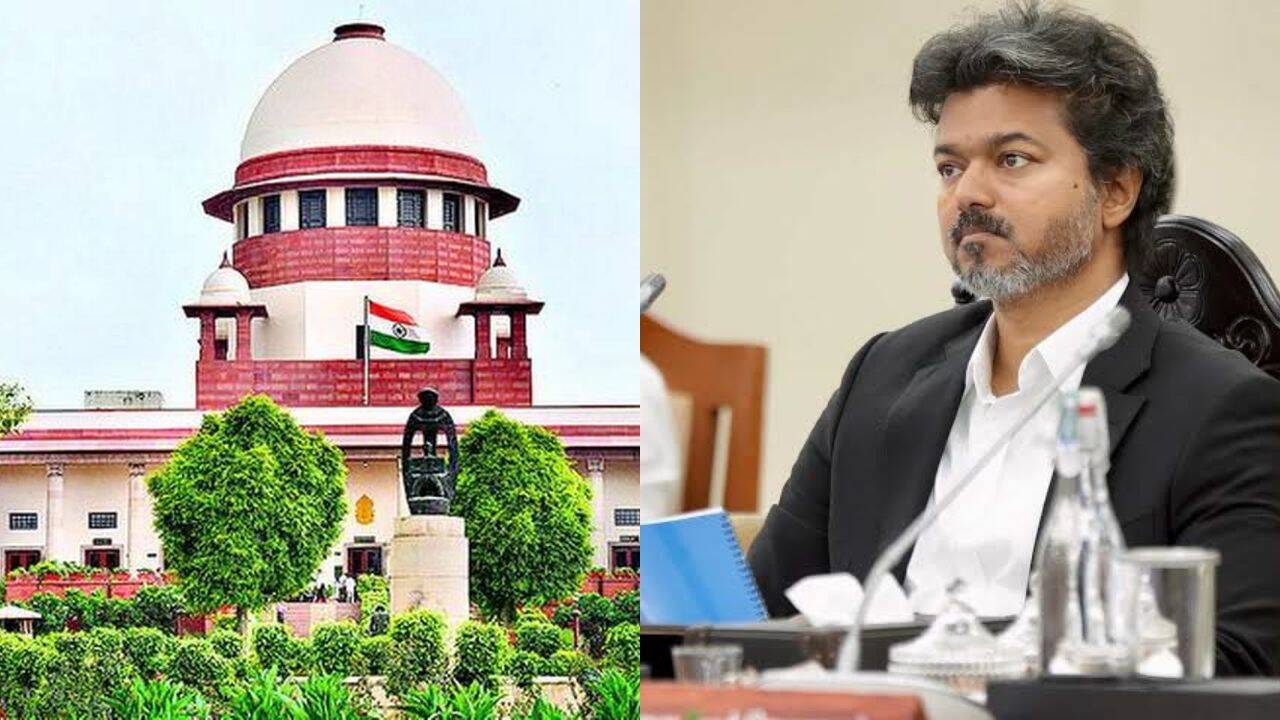
The legal confrontation erupted during a bench hearing examining the establishment and curriculum compliance of Jawahar Navodaya Vidyalayas within Tamil Nadu. The presiding judges remarked that the exclusion of Hindi runs contrary to the foundational framework of centrally funded educational institutions designed to promote national integration. State authorities countered by citing longstanding legislative resolutions and political consensus opposing the mandatory imposition of external languages within Dravidian academic spaces. At the heart of the dispute lies a constitutional tug-of-war between federal administrative directives and regional linguistic sovereignty. Tamil Nadu has historically guarded its cultural identity through strict adherence to a two-language formula, resisting central efforts to propagate Hindi. Legal scholars note that the central government possesses the statutory authority to mandate uniform educational standards across nationwide school networks, yet local political survival depends entirely on maintaining uncompromising opposition to linguistic homogenization. The immediate casualty of this ongoing institutional deadlock is the delay in expanding modern residential schooling infrastructure for rural youth in the state. Educational administrators warn that protracted litigation will deny thousands of economically disadvantaged students access to subsidized boarding schools. Ultimately, the verdict will establish a decisive precedent concerning the limits of state defiance against federal educational mandates.
Comments 0