Supreme Court Clarifies Limits on Highway Encroachment Demolition Orders
The Supreme Court of India has clarified that directions for the removal of highway encroachment cannot be used to demolish structures without due process. This ruling reinforces the principle of procedural justice, ensuring that individuals are not deprived of their property rights without a fair hearing and legal recourse.
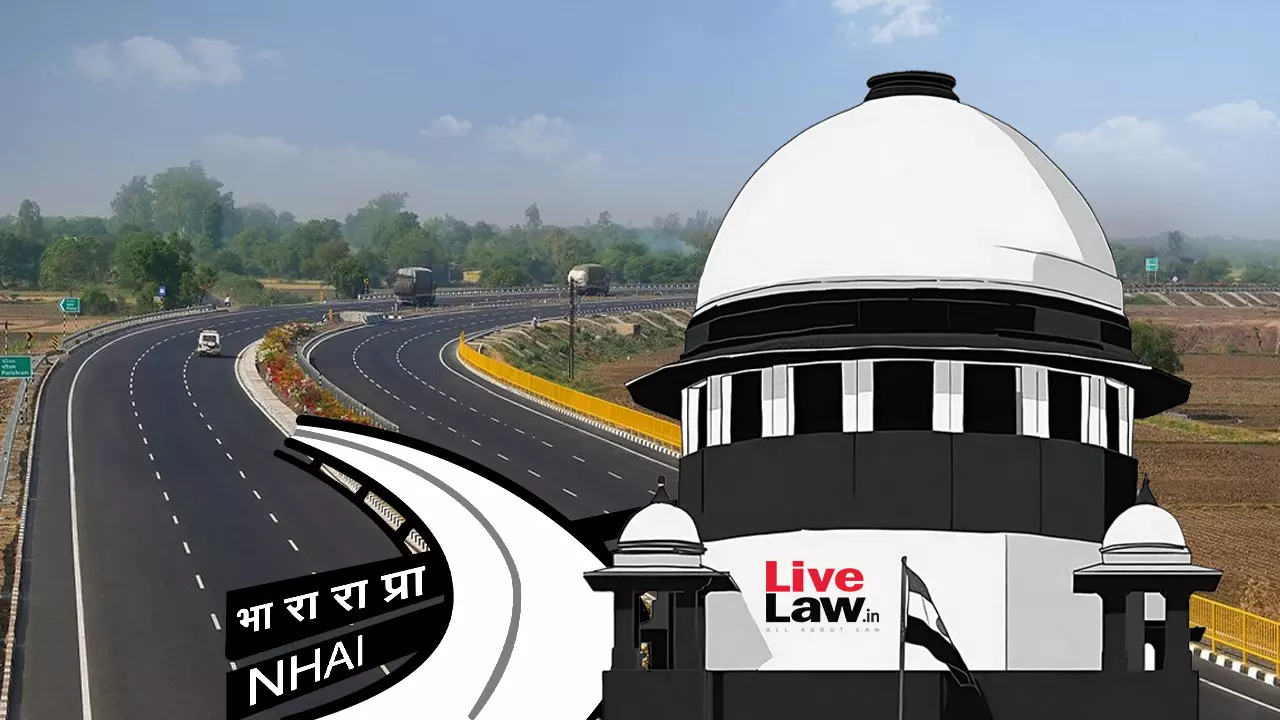
The Supreme Court's clarification on the removal of highway encroachment represents a significant legal development that reinforces the principle of due process in property rights. The court has ruled that directions for the removal of encroachment cannot be used as a blanket authorization for demolition without providing the affected individuals with a fair hearing and the opportunity to present their case. This decision underscores the importance of procedural justice in administrative actions, ensuring that the state's power to enforce regulations is exercised in a manner that respects individual rights.
The underlying tension in this case reflects the ongoing conflict between the state's interest in maintaining public infrastructure and the rights of individuals who may have established their presence on highway land over time. The court's ruling highlights the need for a balanced approach that considers both the public interest and the individual's right to due process. This institutional friction is likely to prompt a reevaluation of how demolition orders are issued and enforced, with a greater emphasis on transparency and accountability.
The downstream consequences of this ruling will be felt by individuals and businesses that have been affected by highway encroachment orders. The decision provides a legal framework for challenging demolition orders that do not comply with due process requirements, offering a potential avenue for relief for those who have been unfairly targeted. The tangible outcome will be a more rigorous application of procedural safeguards in future cases, ensuring that the state's actions are subject to judicial scrutiny. This ruling serves as a reminder that the exercise of state power must be tempered by respect for individual rights and the rule of law.
Comments 0