Supreme Court Demands Explanation from Centre on UPI Merchant Discount Rate
The Supreme Court declined to grant an interim stay on the Merchant Discount Rate framework for Unified Payments Interface transactions while demanding a comprehensive justification from the central government. This judicial inquiry opens a critical debate over the financial viability of digital public infrastructure.
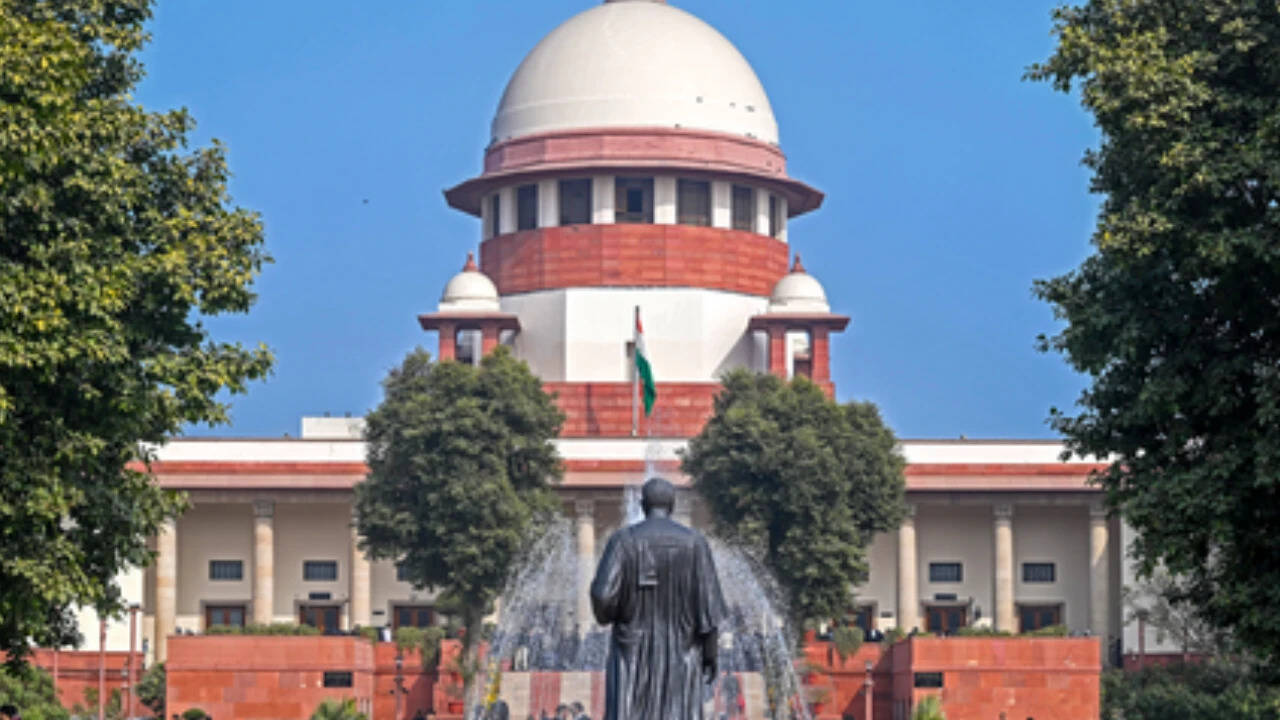
India's digital payment ecosystem, celebrated globally for its zero-fee consumer architecture, faces a foundational reckoning as the highest court examines the economics of processing transactions. Banks and fintech intermediaries have long argued that absorbing the zero-MDR mandate strains institutional balance sheets, threatening the long-term sustainability of peer-to-merchant digital rails. By refusing an immediate stay while demanding a formal policy defense from the Centre, the judiciary has injected commercial reality into a system previously governed by pure developmental optimism. The core tension rests on who bears the true cost of maintaining a national payment utility that handles billions of transactions monthly without direct consumer or merchant friction. While the government champions zero-MDR as a cornerstone of financial inclusion, financial institutions contend they are subsidizing national digital infrastructure out of private reserves. The Supreme Court's insistence on an executive explanation signals judicial awareness that systemic financial health cannot rest indefinitely on forced corporate subsidies. The immediate consequence is heightened uncertainty for fintech startups and legacy banks attempting to project revenue models in the world's largest real-time payment market. Downstream, if the Centre is forced to introduce a rationalized MDR structure, merchants may face modest processing fees, altering the adoption calculus for small-scale vendors across the country. The era of unconditionally free digital transactions is entering a legally contested transition phase.
Comments 0