Supreme Court Intervenes in Jharkhand Police Leadership Appointment
The Supreme Court has agreed to hear the central government's contempt petition challenging the appointment of the Jharkhand Director General of Police. This legal confrontation elevates tensions between federal oversight and state-level administrative autonomy.
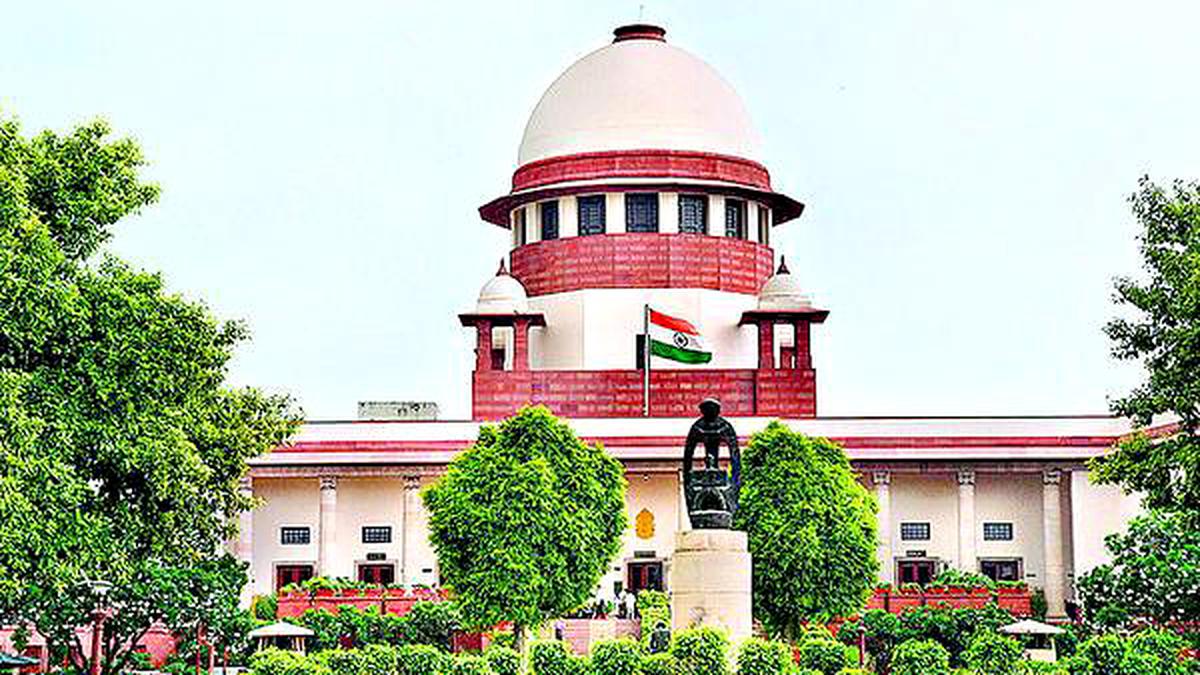
The legal machinery of the nation's highest court has been invoked to address a mounting dispute over executive appointments in Jharkhand. A bench comprising Chief Justice Surya Kant and Justices Joymalya Bagchi and V. Mohana accepted the urgent listing of a contempt plea filed by the Centre. Solicitor General Tushar Mehta pressed the court to review the state administration's adherence to established statutory guidelines regarding the selection and tenure of the Director General of Police. At the heart of the litigation lies a fundamental friction between Union directives and state administrative prerogatives. The central government maintains that state authorities systematically bypass statutory selection panels and Supreme Court mandates designed to insulate police leadership from political interference. State representatives, conversely, defend their appointment choices as an exercise of legitimate constitutional authority tailored to local law enforcement exigencies. This ongoing contest tests the limits of federal enforcement mechanisms in subduing perceived executive overreach at the provincial level. The judicial outcome of this confrontation will dictate the enforceability of national police reforms across every state jurisdiction. If the apex court rules in favor of the Centre, state governments will face strict legal constraints and automatic invalidation of non-compliant appointments. Conversely, a dismissal of the plea would empower regional administrations to dilute federal oversight, reinforcing decentralized control over state police machinery.
Comments 0