Supreme Court Rejects Unenforceable Fireworks Bans, Shifting Burden to State Enforcement
The Supreme Court has ruled that blanket bans on firecrackers are legally flawed if they lack the machinery for effective enforcement, thereby invalidating several state-level restrictions. This judicial intervention places the onus on state governments to demonstrate concrete compliance mechanisms before imposing such prohibitions.
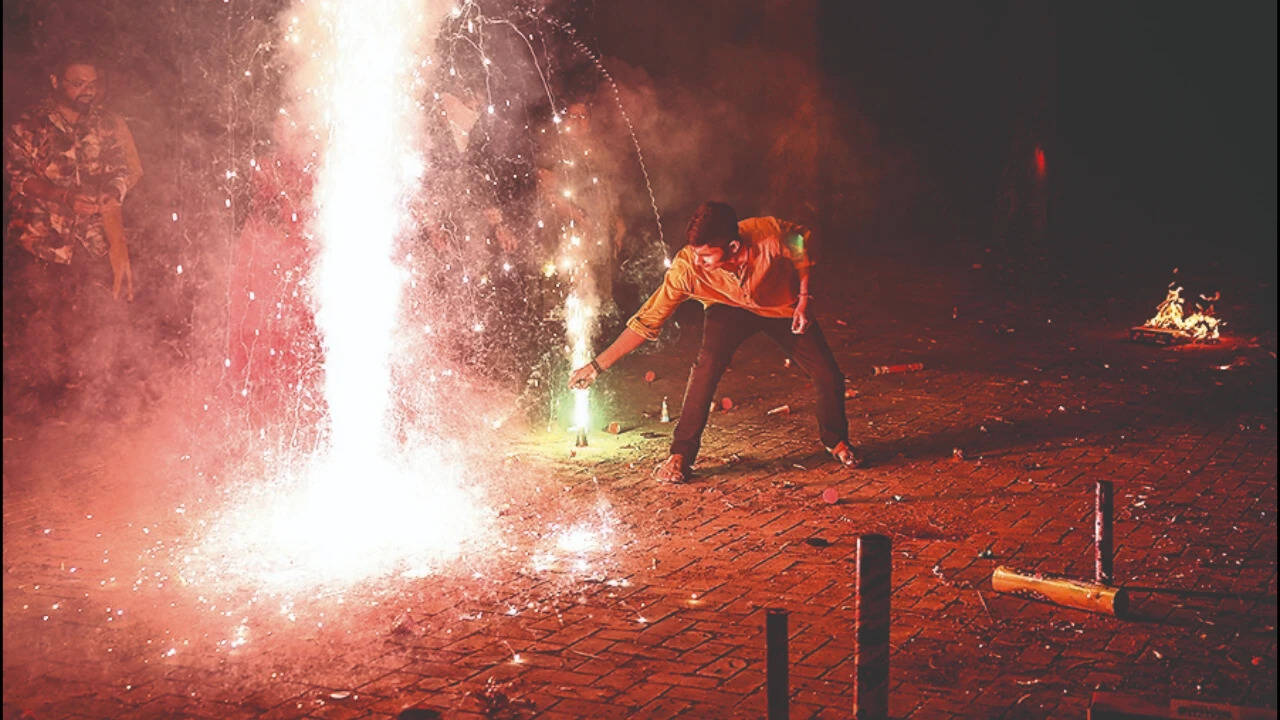
The Supreme Court has delivered a decisive ruling that fundamentally alters the legal framework surrounding firecracker regulations in India. By stating that orders which are difficult to enforce should not be passed, the apex court has effectively struck down the procedural basis for many blanket bans implemented by state governments. This decision marks a sharp departure from previous judicial leniency toward environmental and public health concerns, prioritizing administrative feasibility over precautionary restriction. The immediate consequence is a legal vacuum in several states where existing bans may now be challenged as unconstitutional or unenforceable, forcing local authorities to either develop robust enforcement protocols or rescind their prohibitions.
The underlying tension in this dispute lies between the state's police power to regulate public nuisance and the judiciary's insistence on the rule of law requiring enforceability. For years, environmental groups and urban residents have pushed for strict bans to mitigate air pollution and noise, while manufacturers and rural communities have resisted, citing economic livelihood and cultural tradition. The court's stance suggests that without a clear, funded, and operational enforcement strategy, a ban is merely a symbolic gesture that invites litigation and public disregard. This institutional friction highlights a broader gap between legislative intent and administrative capacity, a recurring theme in Indian governance where policy often outpaces the state's ability to execute it.
The downstream impact of this ruling will be felt most acutely by state governments that have relied on blanket bans as a quick fix for pollution crises. Cities like Delhi, Mumbai, and Bengaluru, which have faced severe air quality warnings during festival seasons, may now face legal challenges to their existing regulations. Manufacturers, who have long lobbied against total bans, may gain a legal foothold to argue for regulated use rather than prohibition. Ultimately, the burden shifts from the judiciary to the executive, demanding that states either invest in the surveillance and penal infrastructure necessary to enforce bans or accept a more permissive regulatory environment that may exacerbate environmental and health risks for vulnerable populations.
Comments 0