Supreme Court Seeks IB Input on Convict’s Transfer in Punjab CM Assassination
The apex court has ordered the Intelligence Bureau to submit a detailed report on the petition to move the convicted assassin of former Punjab chief minister Beant Singh to a different prison. The move has ignited a fierce debate over the balance of judicial authority and executive security prerogatives.
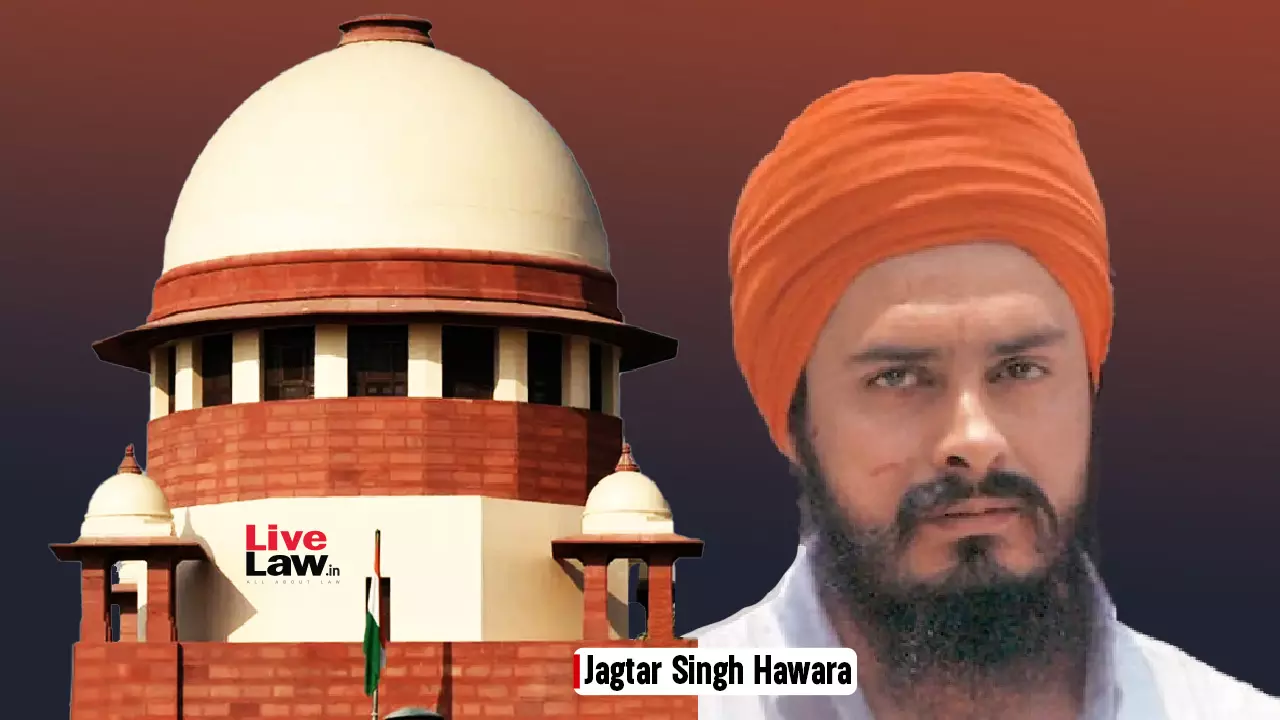
The Supreme Court convened a special hearing after a petition was filed seeking the transfer of the prisoner accused of the 1995 killing of Punjab’s chief minister, Beant Singh. The bench, noting the sensitivity of the case, directed the Intelligence Bureau to furnish a comprehensive assessment of any security risks, potential political fallout, and the legal basis for relocation. This procedural step underscores the court’s willingness to scrutinise executive decisions that intersect with high‑profile criminal matters, especially those still resonating in Punjab’s collective memory.
Underlying the request is a palpable tension between the judiciary, which seeks to uphold procedural fairness, and the executive agencies tasked with maintaining law and order. The Intelligence Bureau, traditionally reticent in disclosing internal analyses, now faces pressure to balance transparency with operational secrecy. State officials in Punjab have expressed concern that a transfer could be perceived as leniency toward a figure linked to a violent episode that reshaped the state’s political , while the central government worries about setting a precedent that might embolden other high‑risk inmates to seek similar privileges.
The eventual decision will reverberate beyond the immediate parties. A denial of the transfer could reinforce a hard‑line stance on prison security, reassuring victims’ families and reinforcing public confidence in the criminal justice system. Conversely, approval might trigger calls for broader reforms in how political assassins are housed, potentially prompting legislative amendments to prison‑transfer protocols. In either scenario, the ruling will signal how India’s highest court navigates the delicate interface of law, politics, and security in cases that remain emotionally charged for the nation.
Comments 0