Supreme Court strikes down Karnataka law validating ‘corrupt’ 2011 recruitment
The Supreme Court has invalidated a Karnataka law that attempted to legalise a 2011 recruitment process that was previously cancelled for alleged corruption. The court held that the legislature cannot overturn the cancellation order of the constitutional courts, reinforcing the principle of separation of powers.
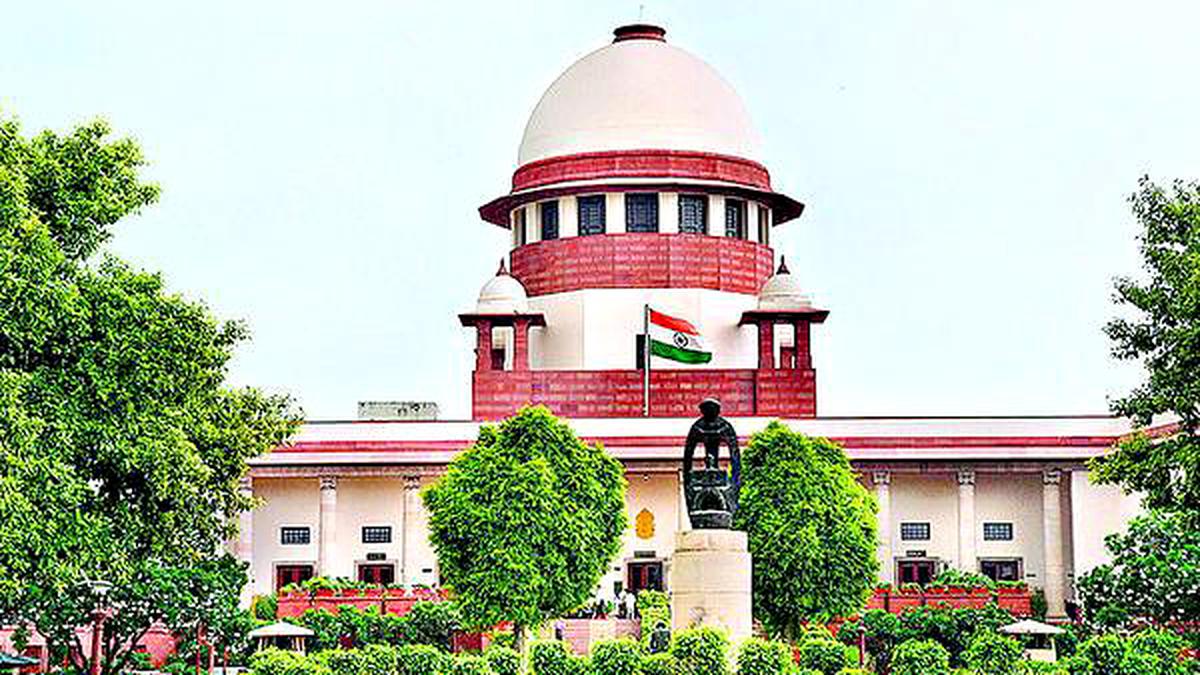
In 2011 the Karnataka state government announced a large‑scale recruitment drive for several public service positions. Soon after the announcement, allegations surfaced that the selection process had been manipulated, leading to a petition in the High Court. The High Court examined the evidence, found procedural irregularities, and ordered the cancellation of the recruitment, a decision that was later upheld by the Supreme Court when the matter was appealed. The cancellation affected hundreds of aspirants who had already invested time and resources in preparing for the exams.
In response to the judicial rulings, the Karnataka legislature passed a special law in early 2026 that sought to validate the 2011 recruitment despite the earlier cancellation. The law argued that the state needed to fill critical vacancies and that the original process had been unfairly targeted. Supporters of the legislation claimed it would restore employment opportunities, while critics warned that it undermined the authority of the courts and could set a dangerous precedent for future governance.
The Supreme Court, sitting as a constitutional bench, examined the validity of the state law and concluded that a legislative act cannot nullify a judgment rendered by a constitutional court. The bench emphasized that the power to cancel a recruitment on grounds of corruption resides with the judiciary, and any attempt by the legislature to reverse that decision would breach the doctrine of separation of powers. The ruling not only struck down the Karnataka law but also sent a clear message to other states about the limits of legislative authority in matters of judicial pronouncement. The decision is expected to influence ongoing and future recruitment disputes across the country.
Comments 0