Tamil Nadu Chief Minister Urges Panel to Abandon NEET in Favor of Class‑12 Marks
The state leader appealed to the Nilekani‑led committee to scrap the national medical entrance exam, proposing admission based on high‑school performance. The proposal ignites debate over meritocracy and regional autonomy in education.
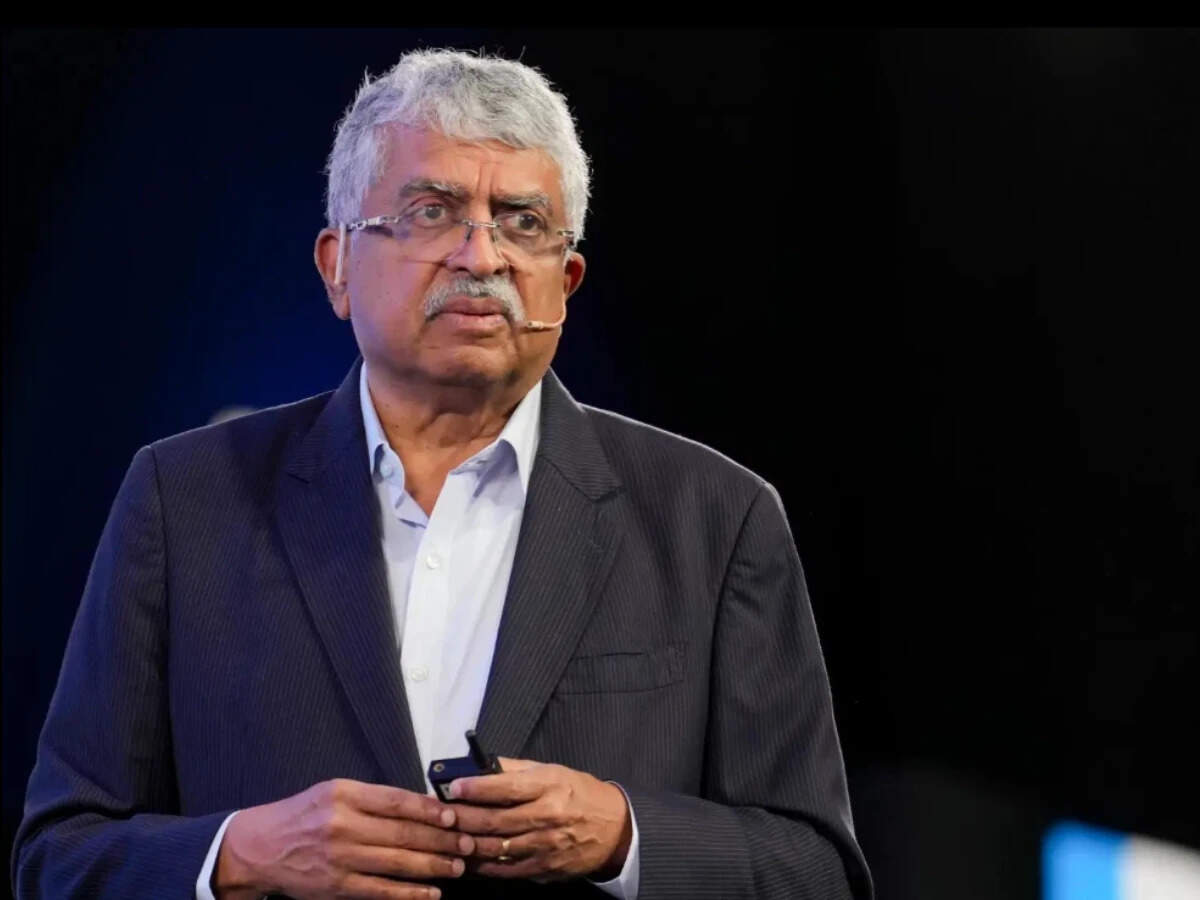
Chief Minister M.K. Stalin of Tamil Nadu addressed the central committee chaired by Nandan Nilekar, urging a departure from the National Eligibility cum Entrance Test (NEET) as the gateway to medical colleges. He advocated for a system where Class‑12 board results determine eligibility, arguing that the current model disadvantages students from state curricula and imposes uniform standards that may not reflect regional educational realities. The appeal aligns with longstanding state resistance to centralized testing mechanisms, positioning Tamil Nadu as a vocal challenger to national uniformity in professional admissions.
The underlying tension reflects a broader contest between the Union Ministry of Education and state governments over control of academic pathways. Proponents of NEET contend that a single exam ensures a level playing field and upholds national standards, while opponents claim it marginalizes students from under‑resourced schools and overlooks diverse pedagogical approaches. The Chief Minister's intervention may compel the committee to reconsider the weight assigned to board examinations, potentially reshaping the policy framework that governs medical education across India.
Should the panel accede to the demand, the immediate consequence would be a restructuring of admission criteria for thousands of aspirants, altering the competitive for medical seats. Private coaching industries that thrive on NEET preparation could experience a contraction, while state education boards might see increased responsibility for maintaining rigorous assessment standards. In the longer term, the shift could inspire other states to lobby for similar exemptions, prompting a reexamination of the balance between national cohesion and regional educational autonomy.
Comments 0