Tamil Nadu Expands Free Temple Meals Scheme, Benefiting 5 Lakh Devotees
Tamil Nadu has expanded its free meals scheme in ten temples, adding 2,25,475 new devotees to the program each year. The total number of beneficiaries now stands at 5,08,350 annually.
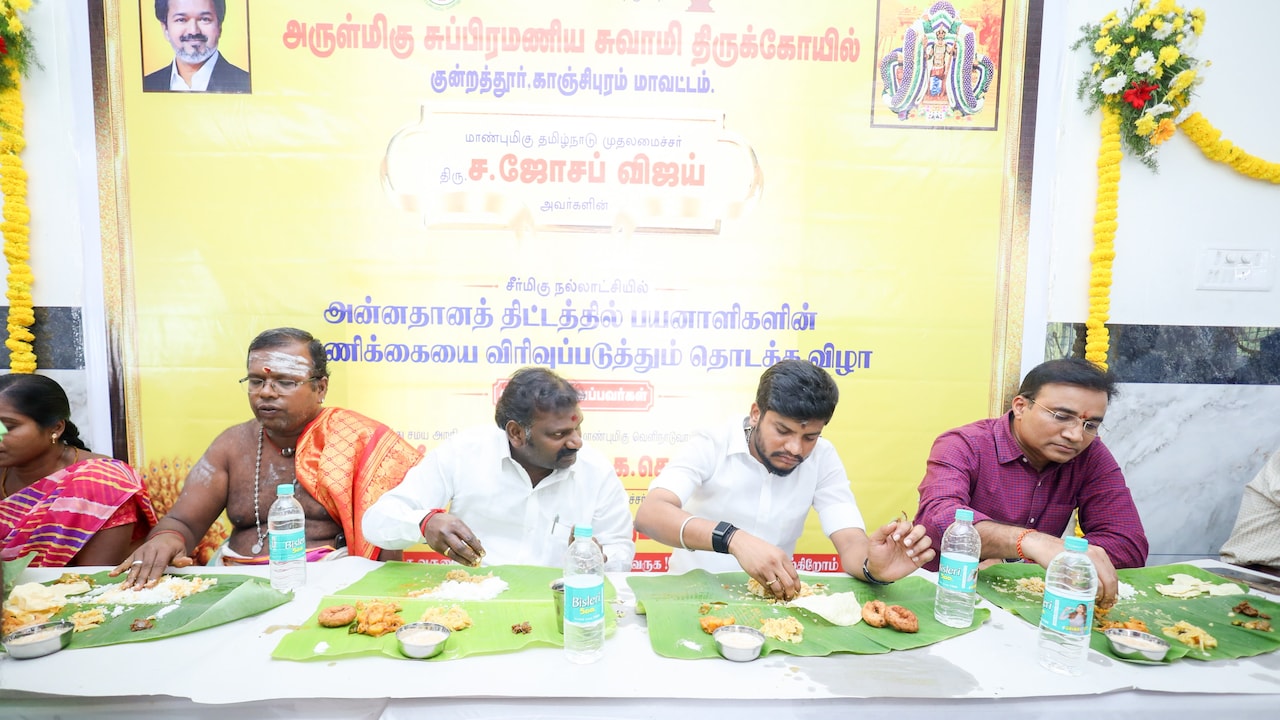
The state government announced that the free meals initiative, which provides cooked food to worshippers at selected temples, will now cover an additional 2,25,475 devotees each year. This expansion brings the total number of people receiving meals to 5,08,350, a figure that reflects the program's growing reach across the region. The scheme operates in ten major temples, where volunteers and staff prepare and serve meals to visitors without charge, ensuring that even the most economically vulnerable can partake in religious gatherings.
The decision to broaden the scheme follows a review of demand patterns and feedback from temple authorities, who reported increasing numbers of pilgrims and local residents relying on the service. By allocating extra resources, the government aims to reduce food insecurity among low‑income families who often travel long distances to attend rituals. The move also aligns with broader social welfare goals, as it supports nutrition and community cohesion during festivals and regular worship.
For residents of Tamil Nadu, the expanded program offers a tangible benefit that eases daily financial pressures and reinforces cultural traditions. It also sets a precedent for other states considering similar initiatives, highlighting how public‑private partnerships can deliver essential services at the grassroots level. As the scheme rolls out, officials will monitor its impact on health outcomes and community satisfaction, adjusting allocations as needed to maintain quality and sustainability.
Comments 0