Tamil Nadu Seeks Uniform Police Protocol for Online Political Speech
The Madras High Court has asked the state government to draft standard operating procedures governing police intervention in social‑media posts and political rallies. The move reflects mounting pressure to balance free expression with law‑enforcement prerogatives in a digitally charged election season.
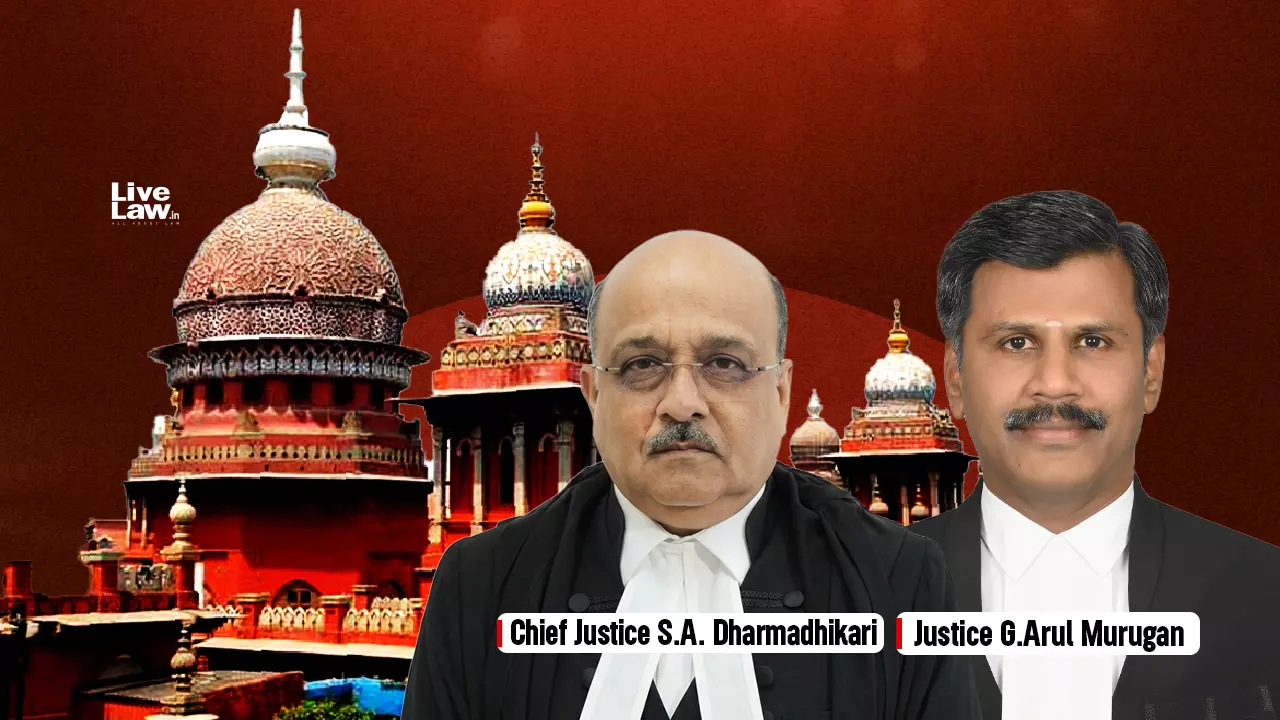
In a recent hearing, the Madras High Court directed the Tamil Nadu government to formulate a uniform set of guidelines that would dictate how police may act upon political criticism expressed on social platforms and during public speeches. The petition, filed by a coalition of civil‑society groups, argued that the absence of clear rules leads to arbitrary enforcement and threatens democratic discourse. The court's order emphasized the need for procedural transparency, urging the state to consider constitutional safeguards while protecting public order.
The request emerges against a backdrop of heightened political activity in the state, where parties are increasingly turning to digital media to mobilise supporters and attack opponents. Law‑enforcement agencies have faced criticism for perceived overreach, including raids on activists and the removal of online content deemed inflammatory. Simultaneously, the rise of misinformation has prompted calls for stronger policing powers, creating a tension between security concerns and civil liberties. The High Court's intervention seeks to reconcile these competing imperatives through a codified framework.
If the state complies, the resulting SOP could set a precedent for other Indian jurisdictions grappling with similar dilemmas. Clear guidelines may reduce the frequency of ad‑hoc police actions, thereby lowering the risk of litigation and public unrest. Conversely, a poorly drafted protocol could entrench restrictive practices, stifling legitimate political expression. Stakeholders from political parties, media organisations, and digital rights groups will be watching the implementation closely, as it may reshape the conduct of electoral campaigns across the nation.
Comments 0