Tankers Struck in Hormuz: The Choking of Global Energy Arteries
Two oil tankers, including a Suezmax laden with Iraqi crude, sustained damage in separate attacks near the Strait of Hormuz and off Oman, signaling a sharp escalation in maritime insecurity. The incidents threaten to disrupt a critical chokepoint through which a significant portion of the world's oil supply transits, immediately spiking insurance premiums and forcing rerouting of vessels.
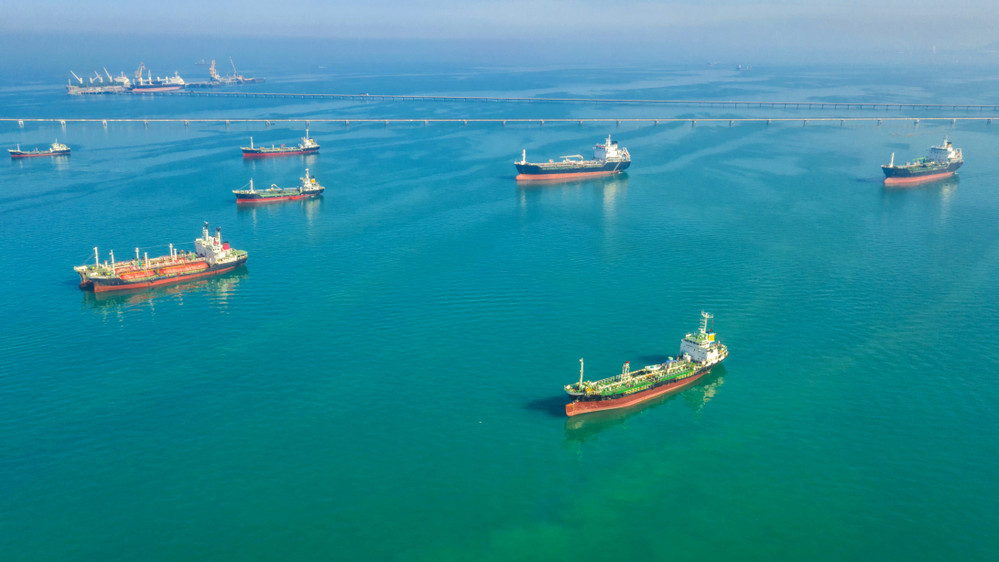
The physical rupture occurred on Sunday when ship-tracking data and official statements from the Indian shipping minister confirmed attacks on two commercial vessels in the Persian Gulf region. One target, a Suezmax class tanker carrying Iraqi crude, was hit within the Strait of Hormuz itself, while the second vessel was struck off the coast of Oman. These are not minor skirmishes but direct assaults on the infrastructure of global energy logistics. The immediate consequence is a tangible halt in the flow of hydrocarbons, as operators must now assess hull integrity and cargo safety before proceeding. The strait, which handles roughly a fifth of global oil consumption, has effectively become a high-risk zone where the cost of transit is no longer measured in fuel but in the probability of catastrophic loss.
The underlying tension stems from the persistent instability in the Gulf, where state and non-state actors utilize maritime disruption as a lever of geopolitical pressure. The involvement of Indian shipping interests highlights how India's energy security is inextricably linked to the stability of this narrow waterway. Institutional friction arises between the need for free navigation and the security apparatuses of regional powers who view these lanes as strategic assets. The attacks suggest a shift from passive deterrence to active interdiction, where the risk calculus for insurers and shipowners changes overnight. This is not merely a local conflict but a systemic threat to the global supply chain, where the failure of one node can cascade into shortages across Asia and Europe.
The downstream casualties are already visible in the form of soaring war-risk insurance premiums and the logistical nightmare of rerouting tankers around the Cape of Good Hope, a journey that adds weeks to delivery times. For India, a net importer of crude, this translates directly into higher landed costs for energy, potentially feeding into inflation and straining the fiscal balance. The tangible outcome is a more volatile global market where energy prices are decoupled from fundamental supply and demand, driven instead by the whims of security incidents. The 12-month structural consequence will be a permanent premium on risk, forcing nations to diversify supply sources and invest heavily in naval escort capabilities, fundamentally altering the economics of global trade.
Comments 0