Tata Sons Reverses Course and Extends Chandrasekaran Leadership
The board of Tata Sons formally approved a fresh five-year term for executive chairman N Chandrasekaran, reversing his prior reluctance to continue. This decision secures executive continuity at the helm of India's largest conglomerate during a volatile global economic cycle.
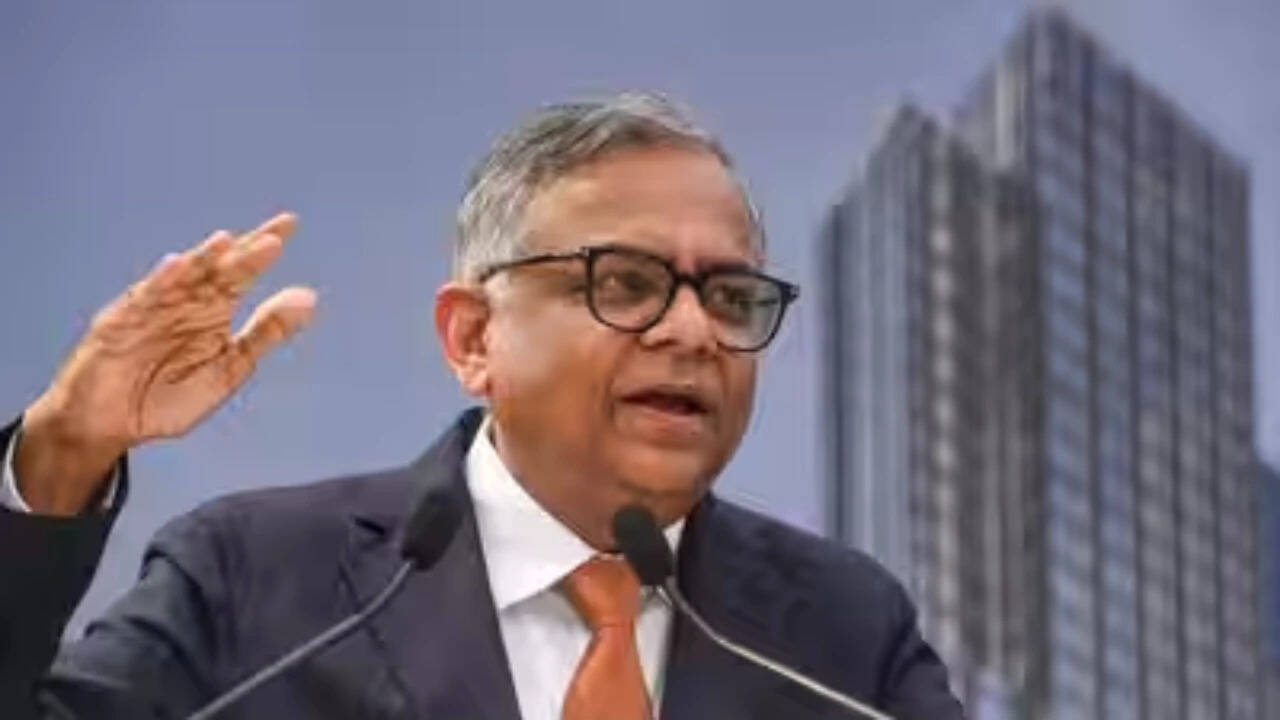
The boardroom at Bombay House witnessed an abrupt recalibration of succession plans as directors unanimously urged the current leadership to remain at the helm. N Chandrasekaran, whose initial tenure faced speculation regarding an impending departure, acceded to the corporate appeal to steer the sprawling industrial group through its next decade of digital and manufacturing expansion. The reversal halts months of whispered succession lobbying among internal stakeholders and external observers alike. Institutional stability remains the primary currency for a corporate empire spanning steel, aviation, software, and automotive technology. By retaining a seasoned administrator, the board insulated its operating companies from the turbulence of leadership transitions. Financial markets responded with quiet approval, interpreting the extension as a definitive signal of strategic continuity across subsidiaries ranging from Tata Consultancy Services to Air India. Yet the extended mandate locks in a centralized management philosophy that critics argue stifles entrepreneurial autonomy within newer ventures. As traditional heavy industries confront green transition mandates and digital competitors demand agile responses, the next five years will test whether institutional entrenchment can coexist with necessary corporate reinvention.
Comments 0