Tesla Product Strategy Faces Investor Skepticism Amid Delayed Autonomous Transport Milestones
Financial markets are registering growing apprehension over Tesla's upcoming product rollout schedule, driven by slower-than-anticipated commercial progress in autonomous robotaxi deployment. Institutional investors are demanding clearer monetization timelines for speculative technology ventures.
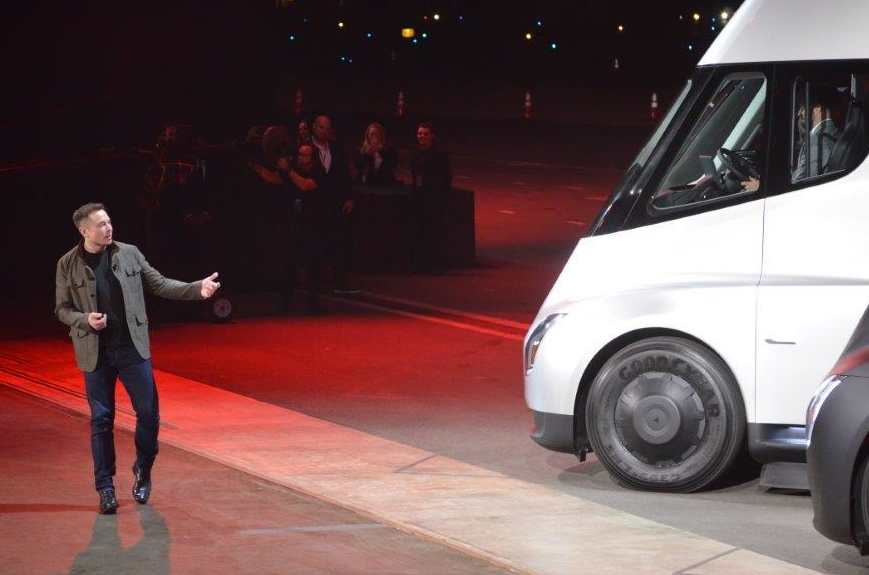
Tesla's corporate valuation has long been anchored on the promise of autonomous driving dominance and widespread robotaxi fleet deployment; however, regulatory hurdles and technical bottlenecks have repeatedly pushed commercial launch dates outward. Analysts at major financial institutions note that consumer demand for legacy electric vehicle models is plateauing in key international markets, increasing pressure on the company's nascent artificial intelligence initiatives to justify its premium stock multiple. Institutional friction between visionary corporate leadership and risk-averse institutional shareholders has intensified during quarterly earnings calls. While executives emphasize long-term platform value and network effects, portfolio managers demand measurable unit economics and verifiable regulatory approvals from municipal transit authorities. This divergence creates high volatility in equity pricing as market sentiment oscillates between technological optimism and fiscal pragmatism. The downstream casualties of this strategic misalignment are equity holders who bought near peak valuations, alongside competing mobility startups forced to navigate a depressed funding environment tainted by delayed sector promises. If autonomous fleet trials fail to achieve commercial scale within the upcoming fiscal year, a comprehensive re-rating of technology sector valuations could ensue, penalizing companies reliant on unproven future earnings projections.
Comments 0