'Thank You For Free Publicity': Abhijeet Dipke On Cockroach Effigy In Delhi
Abhijeet Dipke criticized the display of a cockroach effigy in Delhi, calling it free publicity for the organizers. The Shri Keshav Ramlila Committee defended the symbol as a call for cleanliness under Swachh Bharat and Swachh Delhi campaigns.
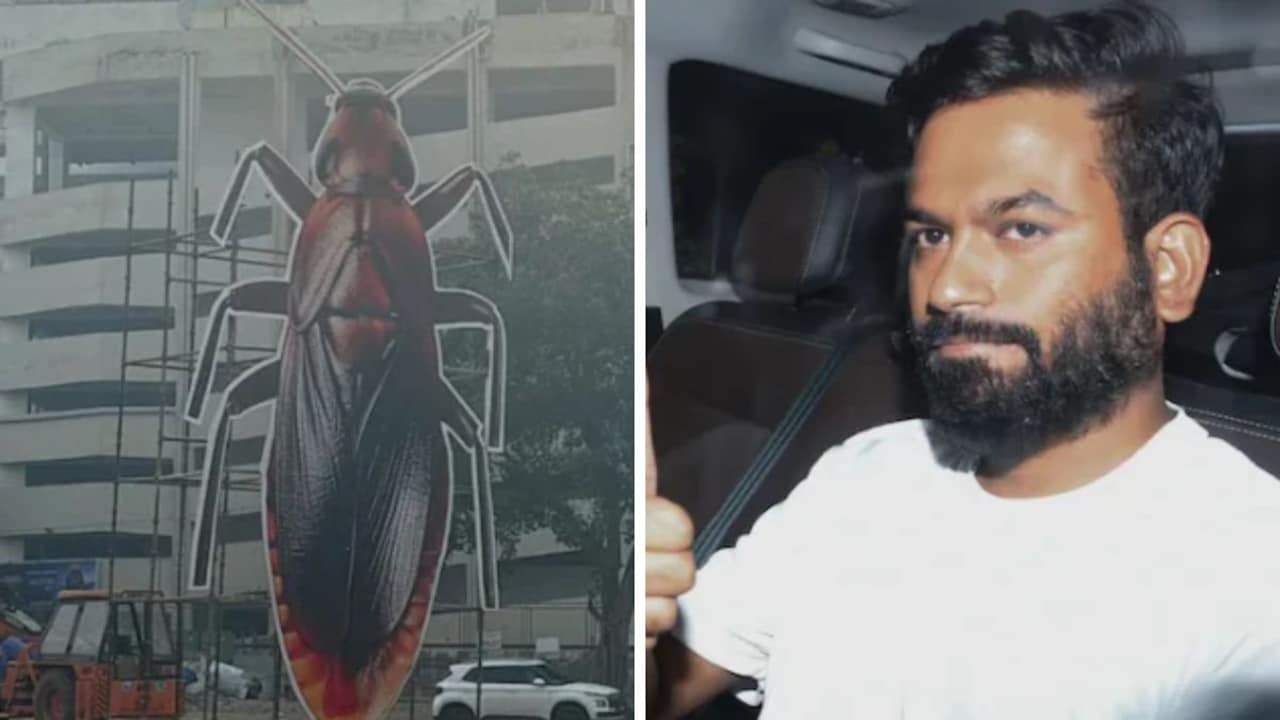
During a recent cultural event in Delhi's Pitampura area, organizers from the Shri Keshav Ramlila Committee displayed a large cockroach effigy, saying it represented filth and was meant to promote cleanliness as part of the Swachh Bharat and Swachh Delhi initiatives. The effigy sparked a heated debate on social media, with many users interpreting it as a pointed jab at a political pressure group that has been vocal on civic issues. The committee insisted that the symbolism was purely educational, aiming to remind citizens of the need for hygiene.
Abhijeet Dipke, a well‑known activist, responded by labeling the display as "free publicity" for the committee, suggesting that the dramatic visual was designed to attract media attention rather than genuine public health dialogue. He argued that the choice of a cockroach, an animal often associated with disgust, could alienate audiences and distract from the intended message of cleanliness. Dipke's comments resonated with a segment of the online community that questioned the effectiveness of shock tactics in public campaigns.
The controversy underscores the challenges faced by Indian civic campaigns in balancing attention‑grabbing tactics with respectful communication. For readers across India, the incident illustrates how cultural events can become platforms for political expression, and it raises questions about the role of symbolism in government‑backed cleanliness drives. The episode may influence how future public awareness initiatives are designed, especially in densely populated urban centers where visual messaging competes with a crowded media environment.
Comments 0