The $10 Billion Midterm Money Machine
Campaign spending in the US midterms has surpassed $10 billion, creating a stark contrast with the financial struggles of average voters. This surge in political expenditure highlights the growing disconnect between the political class and the economic reality of the electorate.
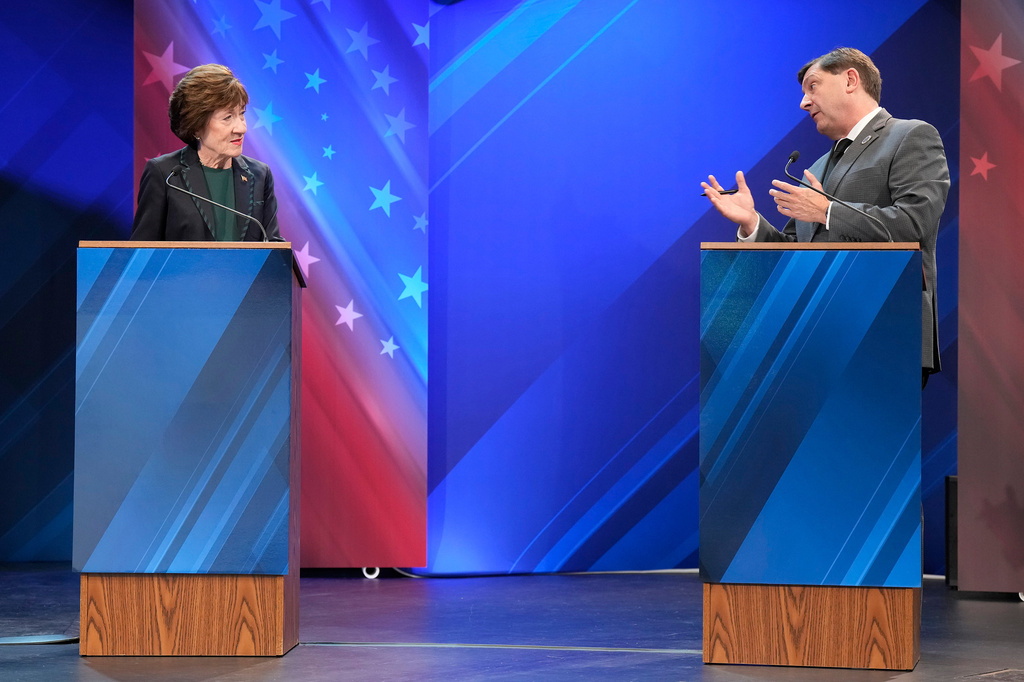
The US midterm elections are being defined by an unprecedented surge in campaign spending, with totals exceeding $10 billion. The concrete rupture is the scale of this expenditure, which dwarfs the budgets of many small nations and highlights the intense competition for political power. This level of spending is not just a reflection of the importance of the election but also of the increasing influence of money in American politics. The shockwave is felt in the public discourse, where the focus on policy is often overshadowed by the sheer volume of advertising and messaging.
The underlying tension is between the financial resources of the political class and the economic constraints of the average voter. While politicians are spending billions to secure their positions, many voters are struggling to afford basic necessities like groceries and gas. The institutional friction arises from the perception that the political system is out of touch with the real-world problems facing the populace. This disconnect is fueling a sense of disillusionment and anger, which is likely to influence the outcome of the election as voters seek candidates who can address their economic concerns.
The downstream casualty is the integrity of the democratic process, which is increasingly being shaped by the ability to spend rather than the quality of the message. The tangible outcome is a political where the most well-funded candidates have a significant advantage, potentially limiting the diversity of voices and perspectives in government. This trend could lead to a further concentration of power in the hands of a few wealthy individuals and organizations, undermining the principles of equality and representation that are central to democracy. The long-term consequence is a more polarized and less responsive political system, where the needs of the many are subordinated to the interests of the few.
Comments 0