The Acoustic Ecology of Somerset Poplars
Botanical observers in Somerset have marked the arrival of seasonal psithurism, documenting the distinct acoustic properties of poplar trees catching autumnal winds. This natural phenomenon highlights the subtle auditory of rural English river valleys during seasonal transitions.
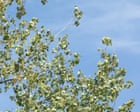
The bottom of the Frome valley in Somerset wakes to a specific sensory shift as autumn breezes sweep through stands of mature poplar trees. Unlike heavier oaks or rigid conifers, the flattened petioles of poplar leaves cause them to twist and flutter at the slightest breath of air. This movement generates a characteristic whispering sound known to naturalists as psithurism, transforming invisible wind currents into tangible acoustic art. The quiet documentation of tree sounds reflects a growing appreciation for acoustic ecology in an increasingly urbanized world where natural soundscapes are rapidly disappearing. Environmental writers note that the valley floor acts as a natural acoustic amplifier, capturing micro-climatic shifts that pass unnoticed in broader agricultural tracts. The sensory observation bridges natural science and literary writing in the British countryside. The immediate effect is a renewed public interest in woodland conservation focused on soundscape preservation rather than mere timber value. Local conservation trusts are mapping acoustic hotspots to protect them from nearby infrastructural noise pollution. This subtle seasonal shift reminds observers of the complex sensory webs sustained by mature rural flora.
Comments 0