The Architecture of Deception: Pricing Experts Reveal Modern Corporate Tactics That Overcharge Consumers
Consumer pricing specialists outline the sophisticated psychological and algorithmic methods corporations use to inflate retail costs. Shoppers face an increasingly opaque marketplace where dynamic pricing and hidden fees systematically erode household purchasing power.
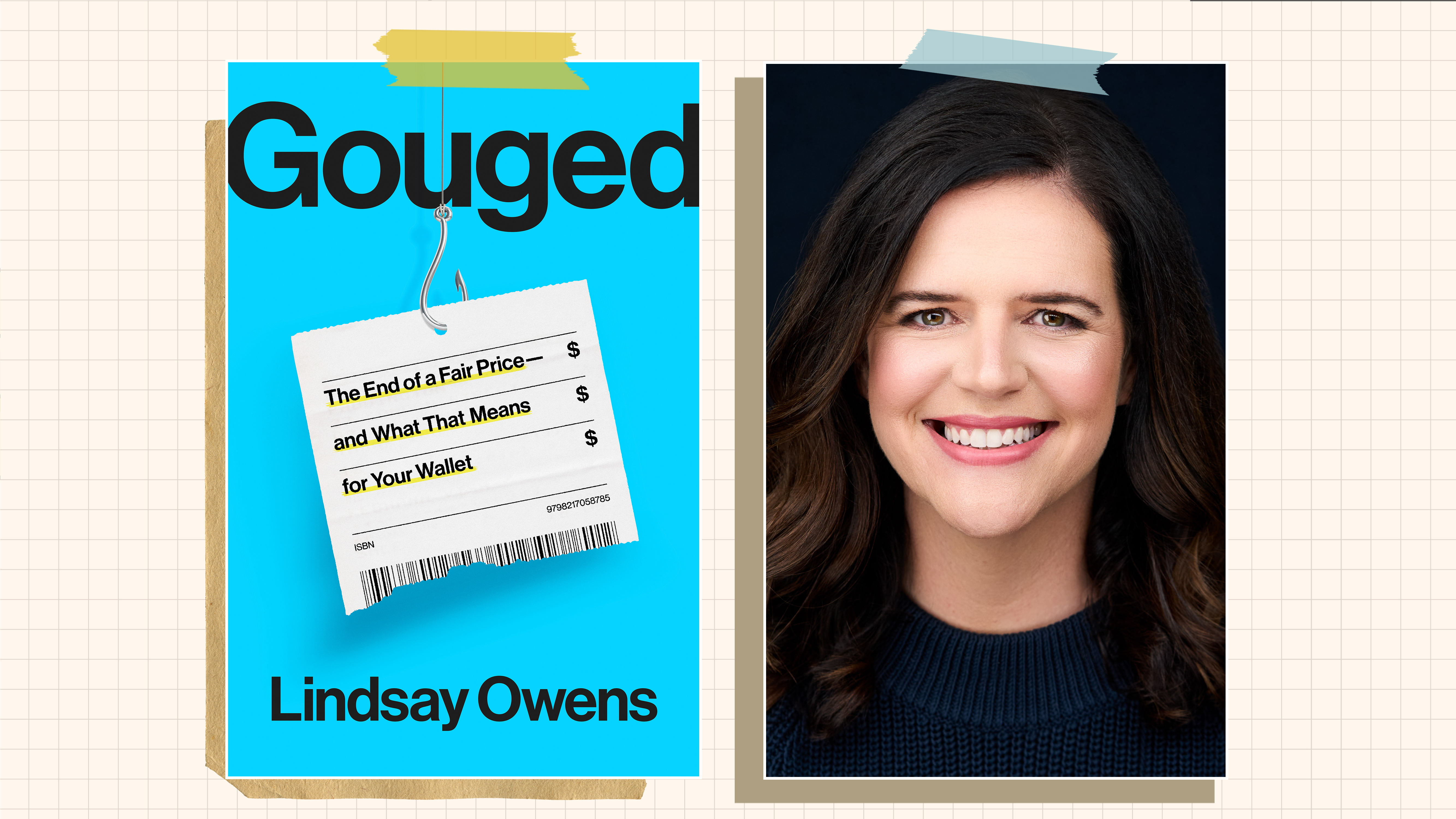
Modern retail environments have evolved far beyond simple sticker prices, incorporating complex algorithms that track consumer behavior in real time. Pricing experts reveal that companies now utilize personalized data to adjust costs dynamically based on perceived urgency and device type. This invisible friction makes traditional comparison shopping nearly impossible for average consumers. Corporate boards defend these practices as necessary responses to supply chain volatility and rising operational overheads. Yet consumer advocacy groups argue that these opaque pricing structures cross the line into deceptive exploitation, effectively penalizing loyal customers. Regulatory bodies struggle to keep pace with algorithmic pricing models that evade traditional anti-price-gouging statutes. The immediate casualty of this trend is consumer trust, accompanied by a tangible reduction in discretionary spending among middle-income households. Savvy shoppers are adopting defensive purchasing strategies, including cash-only budgets and specialized browser extensions to bypass dynamic pricing traps. Ultimately, companies relying excessively on manipulative pricing may face severe backlash as market transparency tools improve.
Comments 0