The Century Mark of the Union Public Service Commission
The Union Public Service Commission marks its centenary in 2026, celebrating one hundred years of shaping the bureaucratic backbone of the Indian state. From its colonial origins as a public service examination board, the institution has evolved into the primary guardian of meritocratic governance.
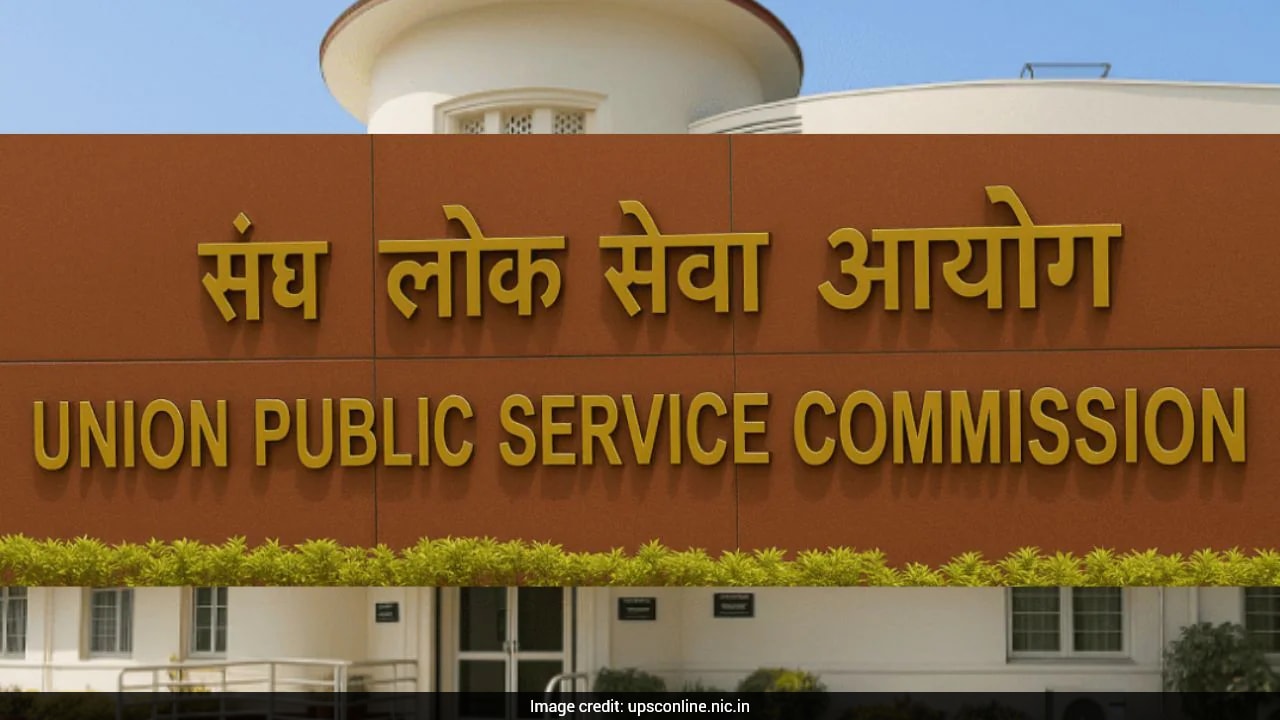
Established under British administration in 1926 before undergoing various structural metamorphoses into its modern incarnation in 1950, the UPSC remains the ultimate crucible for Indian administrative talent. Over the past century, the commission has overseen the selection of hundreds of thousands of civil servants who administered the transition from colonial dominion to a sovereign democratic republic. This milestone offers a rare moment to evaluate the resilience of India's steel frame. Throughout its history, the commission has navigated profound socio-political transformations, adapting examination formats to reflect a more inclusive and diverse nation. Yet, the institution continually confronts internal challenges regarding paper leaks, coaching mafia infiltration, and the sheer proportionality of success rates against millions of aspirants. Maintaining absolute integrity in a hyper-competitive environment remains its most demanding ongoing mandate. The centenary celebrations arrive alongside renewed debates on civil service reforms, specifically regarding lateral entry and digital evaluation technologies. As the UPSC enters its second century, its ability to select bureaucrats capable of handling artificial intelligence and complex global economics will determine the administrative efficacy of the Indian state. The institution's commitment to anonymity and rigorous evaluation remains a rare anchor of stability in the public sector.
Comments 0