The Chorbagan Inquiry and the Limits of Political Shielding
The West Bengal Chief Minister has vowed to release the findings of the probe into the Chorbagan incident, refusing to shield any guilty parties. This commitment to transparency marks a significant shift in the state's approach to handling high-profile institutional failures and public trust.
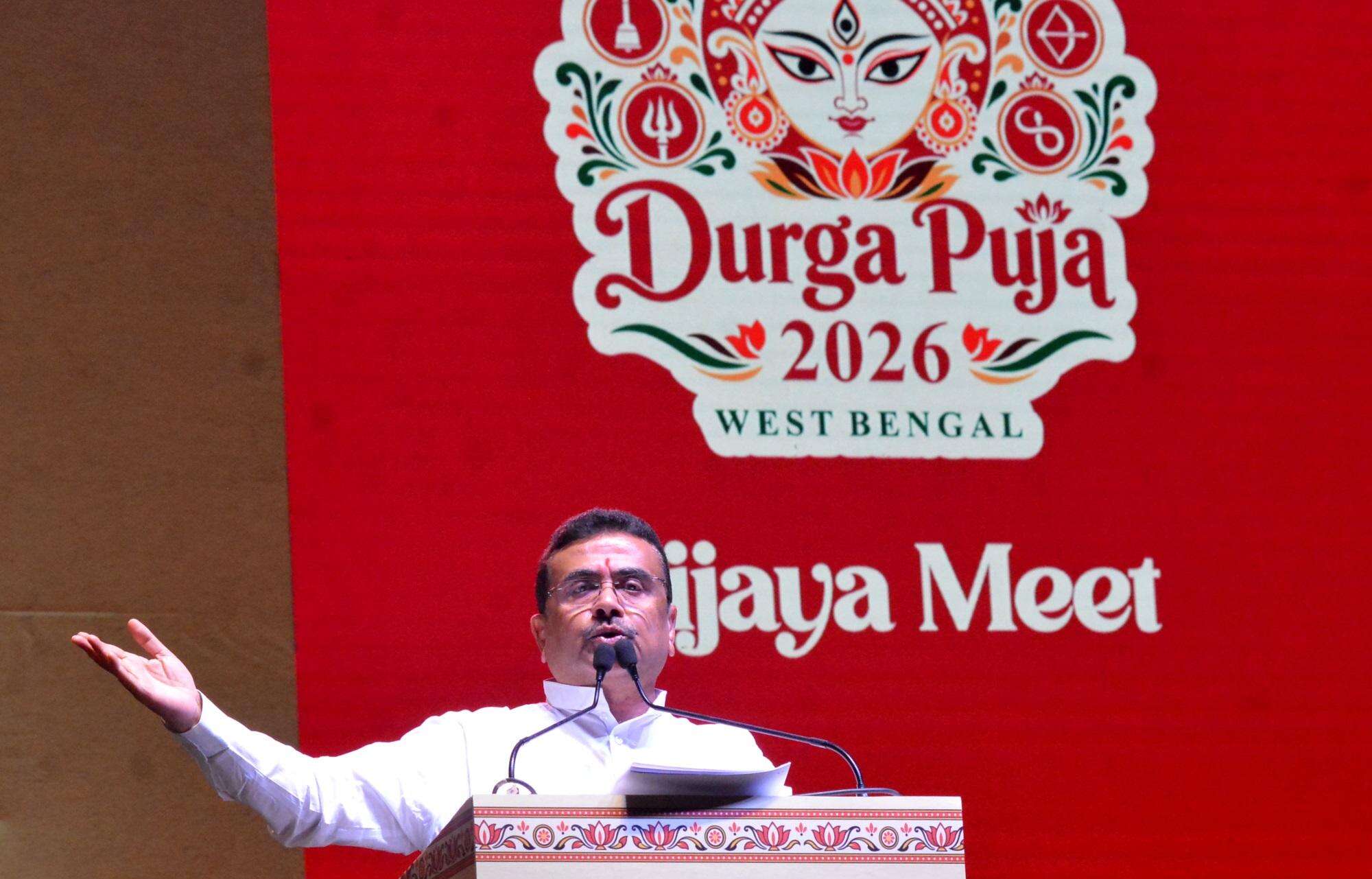
The decision by the West Bengal Chief Minister to publicly release the findings of the probe into the Chorbagan incident represents a concrete rupture in the state's historical tendency to manage such crises through opacity. By explicitly stating that no one will be shielded, the government is attempting to reclaim moral authority in a situation where public confidence in institutional accountability has been severely eroded. This move is not merely procedural; it is a strategic effort to demonstrate that the rule of law supersedes political loyalty, a message aimed at both the domestic electorate and the broader national narrative.
The underlying tension stems from the complex interplay between political responsibility and administrative failure. The Chorbagan incident, like many similar events, highlights the friction between the state's duty to protect its citizens and the operational realities of its agencies. The probe panel's findings will likely expose gaps in training, coordination, or command structure, areas that are often sensitive for political leaders who are held accountable for the actions of their subordinates. The refusal to suppress these findings suggests a recognition that transparency, even when painful, is a more durable foundation for governance than silence.
The tangible outcome of this decision will be measured in the public's willingness to trust future official statements. If the findings are released and acted upon, it will set a precedent for accountability that could strengthen the state's institutional credibility. However, if the report is perceived as a mere formality, the backlash could be swift and severe, further polarizing the political . The families of the victims, who have been kept in the dark, will be the primary arbiters of whether this move is seen as genuine justice or political theater.
Comments 0