The Chronic Toll of Urban Gridlock in Bengaluru
Comprehensive commuter analyses reveal that severe traffic congestion in Bengaluru deprives schoolchildren of fifty-three days of educational and personal time annually. This systemic urban failure exposes deep municipal planning deficits.
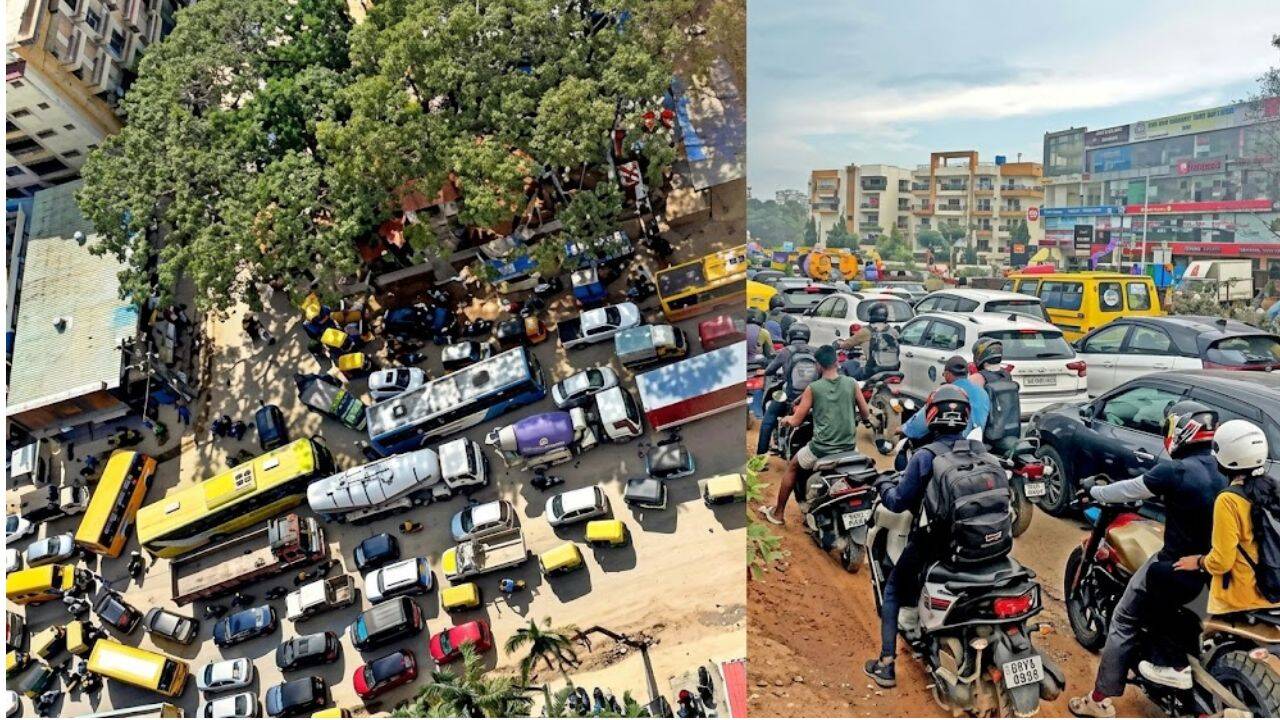
Urban infrastructure deficiencies in India's primary technology hub have generated a profound societal cost extending far beyond economic productivity losses. Families across the metropolitan area navigate hours of daily transit merely to transport children to educational institutions. The cumulative hours lost inside stalled vehicles represent a direct deprivation of childhood development, rest, and extracurricular enrichment. Institutional friction between municipal transit authorities, state urban development boards, and private real estate developers has paralyzed meaningful infrastructural reform for over a decade. Public transport expansion has consistently lagged behind vehicular registration growth, while pedestrian pathways remain fractured and unsafe. City planners acknowledge the crisis but remain constrained by legacy zoning laws and fragmented administrative jurisdiction across Bengaluru's expanding municipal boundaries. The long-term consequence of this mobility failure is a gradual exodus of young families seeking refuge in secondary cities with functional urban infrastructure. Educational institutions are forced to adopt hybrid scheduling models to mitigate transit fatigue among students. Without sweeping structural interventions in mass rapid transit and decentralization, Bengaluru risks losing its competitive edge as a premier global knowledge economy.
Comments 0