The Condominium Liquidity Trap and Rising Maintenance Burdens
Property owners across major urban markets face severe difficulties selling residential condominiums due to escalating homeowners association fees. Buyers increasingly reject properties burdened by soaring monthly costs, trapping current residents in stagnant investments.
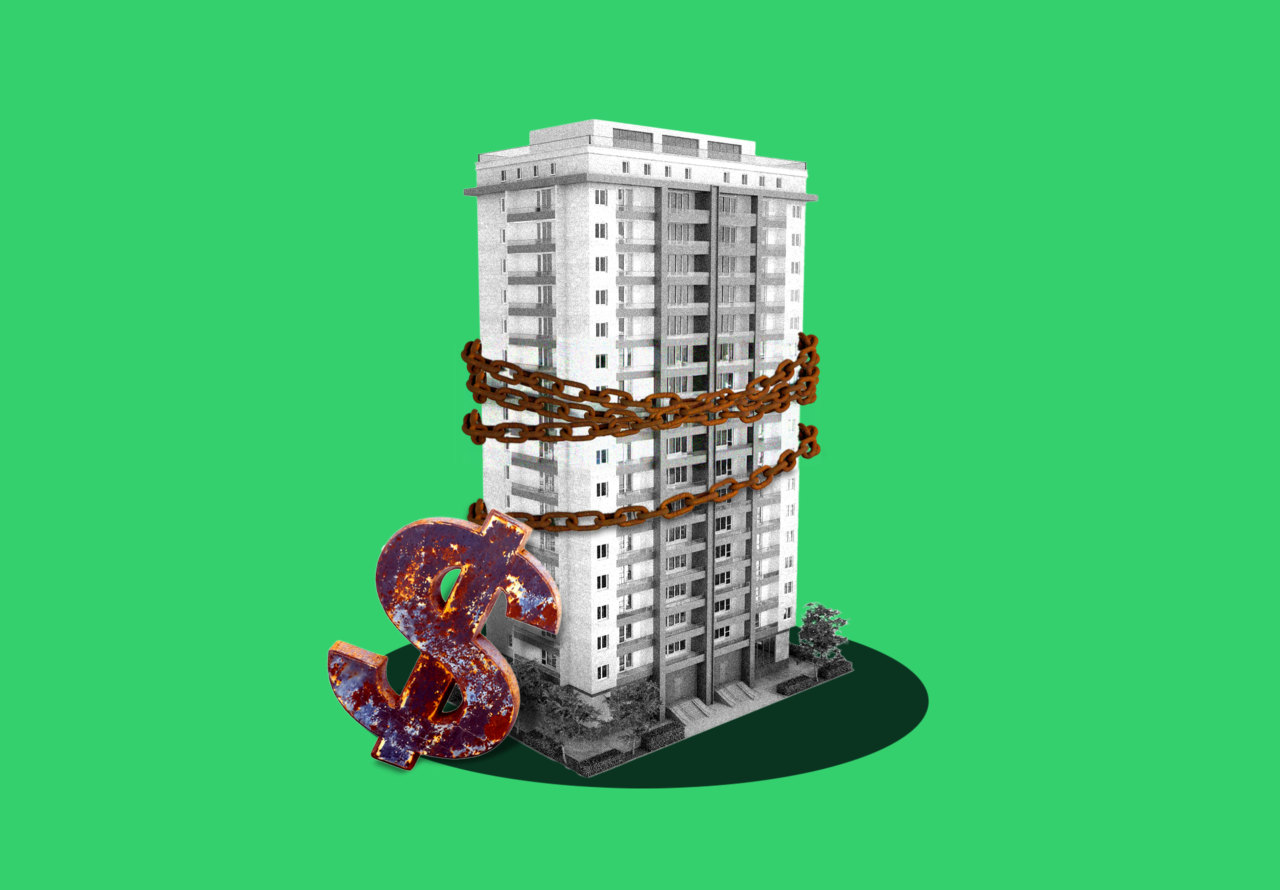
The urban housing market is experiencing a quiet structural crisis as residential condominiums lose their traditional appeal among prospective home buyers. While purchase price expectations have adjusted downward to reflect higher borrowing costs, the continuous climb in monthly association dues has completely altered affordability calculations. Buyers scrutinizing long-term holding expenses now walk away from deals that appear attractive on paper but carry punishing recurring liabilities. This liquidity freeze exposes deep structural flaws in how multi-family residential complexes manage aging infrastructure and capital reserve funds. Decades of deferred maintenance, combined with surging insurance premiums and construction labor inflation, have forced association boards to impose steep special assessments and recurring fee hikes. Property owners find themselves caught between the desire to relocate and the mathematical impossibility of finding a buyer willing to absorb these compounding financial obligations. The immediate casualty of this dynamic is the lower-middle-class wealth accumulation model built on urban condo ownership. Families seeking an entry point into real estate find their assets transforming into financial liabilities, unable to generate rental income sufficient to cover rising operational overhead. Unless municipal authorities intervene with insurance stabilization reforms or reserve funding assistance, urban density models reliant on private multi-family housing face a prolonged period of market contraction.
Comments 0