The End of the Pawar Era: NCP Merger Halted by Death
Supriya Sule has confirmed that the long-awaited merger between the NCP and NCP(SP) is effectively dead following the passing of Ajit Pawar, who served as the primary architect of the union. This development leaves the Maharashtra political fractured, with no fresh proposals on the table to bridge the ideological and leadership divide.
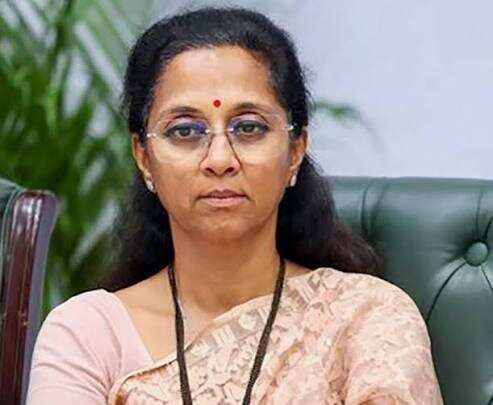
The political calculus in Maharashtra has shifted irrevocably with the confirmation that the merger between the Nationalist Congress Party and its Shiv Sena faction is no longer in motion. Supriya Sule, a senior figure in the party, stated that the process has been halted, citing the absence of any new proposals since the death of Ajit Pawar. His passing removed the central figure who had been instrumental in navigating the complex negotiations between the two factions, leaving a vacuum that neither side appears eager to fill in the immediate term.
The underlying tension stems from the fact that the merger was less about ideological alignment and more about a personal political alliance forged by the Pawar brothers. With Ajit gone, the institutional glue that held the two entities together has dissolved. The NCP(SP) faction, which had been operating in a state of political limbo, now faces the prospect of remaining a separate entity or seeking new alliances, while the main NCP must reassess its strategy in a state where the balance of power is already precarious.
The downstream consequence is a prolonged period of political instability in Maharashtra, a state that is critical to the national coalition dynamics. The failure to unify the anti-BJP forces in the state could lead to further fragmentation, weakening the opposition's ability to challenge the ruling party in future elections. This outcome also signals a broader trend where personal dynastic politics overrides institutional party building, leaving the electorate with fewer coherent choices and a more volatile political environment.
Comments 0