The FAA's Funding Dilemma and the Cost of Oversight
Senator Jack Reed has criticized the Trump administration's request for $50 billion in additional funding for the Federal Aviation Administration, arguing that the agency needs a real plan for oversight rather than just more money. The criticism comes in the wake of a nationwide ground stop, highlighting the systemic issues within the agency's contractor management.
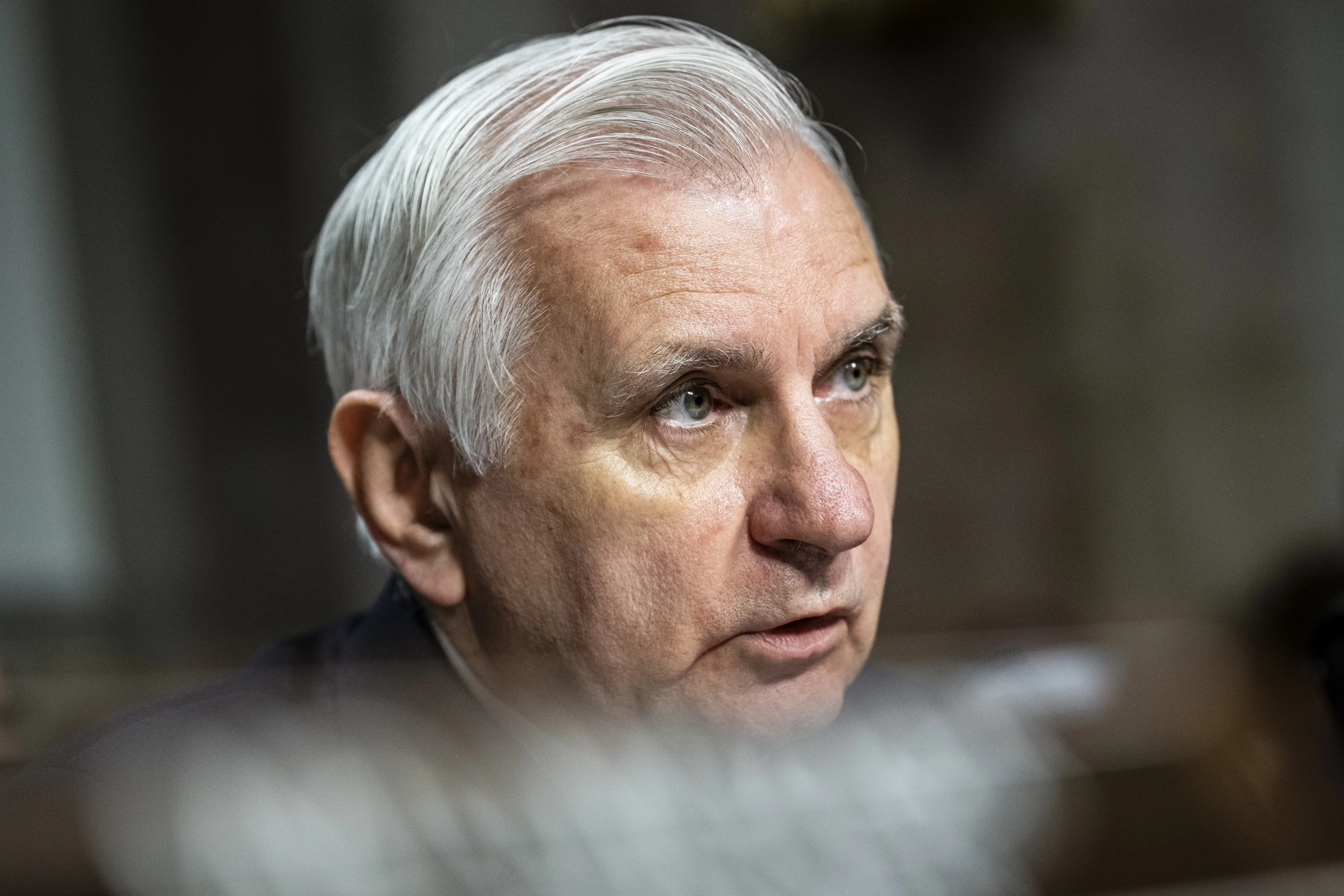
The concrete rupture is the public clash between a senior senator and the administration over the future of the FAA. Senator Reed's criticism is not merely about the amount of funding but about the effectiveness of the agency's oversight. The recent nationwide ground stop has exposed vulnerabilities in the FAA's ability to manage its contractors, raising serious concerns about the safety and reliability of the nation's air traffic control system. The senator's argument is that pouring more money into the system without addressing the underlying structural issues will not solve the problem. It is a call for a fundamental rethinking of how the FAA operates and how it manages its resources.
The underlying tension is between the need for immediate operational fixes and the long-term structural reforms required to ensure the safety and efficiency of the aviation system. The FAA has been under pressure to modernize its systems and improve its oversight capabilities, but it has been hampered by budget constraints and bureaucratic inertia. The administration's request for additional funding is seen by some as a quick fix that does not address the root causes of the problems. The senator's criticism reflects a broader debate about the role of government agencies in managing critical infrastructure and the need for accountability and transparency in their operations.
The downstream consequence of this dispute is a potential delay in the implementation of necessary reforms. If the funding request is approved without a clear plan for oversight, it could lead to further inefficiencies and safety risks. If it is rejected, the FAA may struggle to implement the necessary modernization efforts. The outcome of this debate will have significant implications for the future of the aviation industry, with potential impacts on air travel costs, safety, and reliability. The incident also highlights the importance of congressional oversight in ensuring that government agencies are operating effectively and in the public interest.
Comments 0