The Fracture of the All India Tennis Association: Court Mandates Dissolution of Interim Body
The High Court has declared the interim governing body of the All India Tennis Association to be legally defunct, effectively stripping it of administrative authority. This ruling plunges the sport into a governance vacuum, leaving players and officials in a state of institutional limbo as the Administrator asserts control.
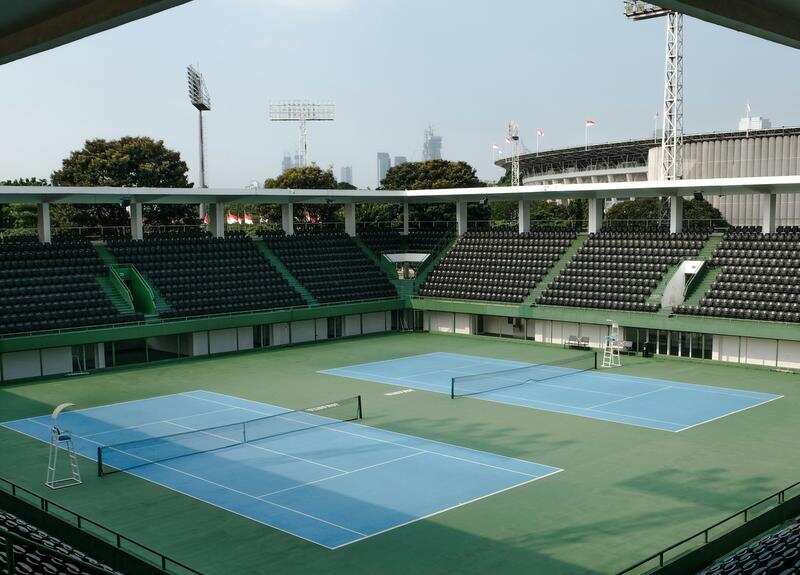
The legal architecture supporting the All India Tennis Association has collapsed under the weight of judicial scrutiny. The High Court has issued a definitive order stating that the interim body, previously sanctioned to manage the association's affairs, has ceased to exist in its approved form. This is not a mere procedural adjustment; it is a total invalidation of the governing structure that has overseen the sport's operations. The Administrator, Mittal, has moved swiftly to capitalize on this ruling, asserting that the interim committee no longer holds any legal standing to make decisions, allocate funds, or represent the association in national and international forums. The immediate consequence is a paralysis of executive function, with no clear entity authorized to sign contracts, manage player registrations, or oversee upcoming tournaments.
The underlying tension stems from a prolonged battle over democratic legitimacy and the appointment of key officials. Former player Yashpal has sought judicial intervention to scrutinize the appointment of the Electoral Officer, a role central to the conduct of free and fair elections within the association. The court's intervention suggests that the previous governance mechanisms were tainted by procedural irregularities or conflicts of interest that rendered them untenable. The friction between the elected or appointed bodies and the judicial oversight has created a scenario where the sport's administrative machinery is now in the hands of a court-appointed administrator, a move that often signals deep-seated dysfunction within the organization. This shift removes the sport from the control of its own members and places it under the direct supervision of the state, a significant alteration in the balance of power.
The downstream casualties of this rupture are the players, coaches, and the broader tennis ecosystem in India. With the interim body dissolved, there is no clear pathway for the resolution of pending disputes, the approval of new memberships, or the organization of domestic circuits. The uncertainty threatens the careers of young athletes who rely on structured pathways and funding. The tangible outcome is a period of administrative stagnation where the sport must wait for a new, legally compliant governing structure to be formed. This vacuum may lead to a brain drain, with top players potentially seeking affiliation with other international bodies or private academies that offer stability. The long-term impact could be a permanent reduction in the association's influence and a shift in the power dynamics of Indian tennis towards more centralized, state-controlled management.
Comments 0