The Friction of Digital Commerce: Madhya Pradesh Fuel Stations Threaten UPI Curtailment Over Merchant Discount Rates
Fuel retailers in Madhya Pradesh threaten to halt UPI transactions exceeding two thousand rupees starting mid-October over persistent Merchant Discount Rate burdens. This ultimatum directly challenges the state-backed cashless retail architecture, threatening consumer convenience and digital transaction volumes.
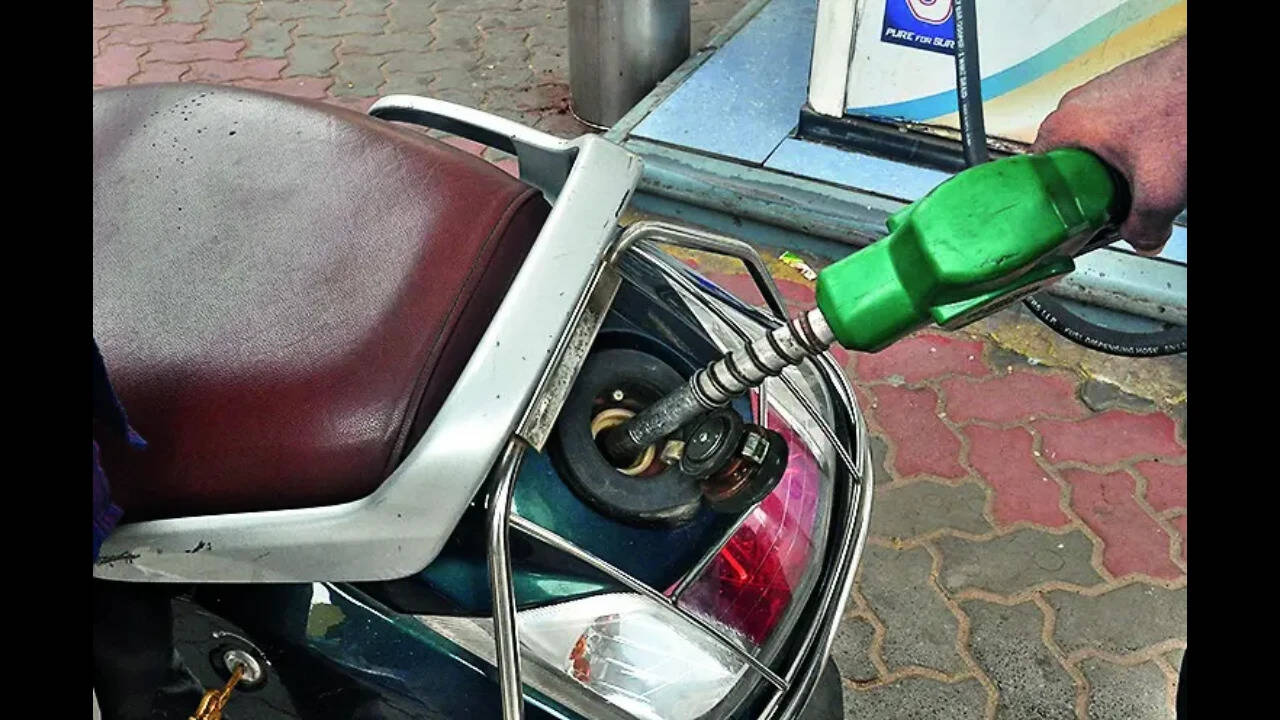
The announcement by petroleum dealers in Madhya Pradesh introduces a severe operational fracture into the nationwide digital payments ecosystem. For years, small merchants and high-volume retailers have absorbed the invisible costs of processing instant electronic settlements. Petrol pumps operate on razor-thin margins, rendering the absorption of transaction fees an unsustainable burden under current commercial realities. At the heart of this confrontation lies a deep structural tension between state financial mandates and commercial profitability. The National Payments Corporation of India championed zero-fee transactions to drive universal financial inclusion, yet banks and payment gateways still demand compensation for infrastructure maintenance. Retailers feel caught between the regulatory push for digital adoption and the unchecked leakage of their daily revenues toward financial intermediaries. Should the fuel stations proceed with their October deadline, millions of motorists will face sudden transactional friction, forcing a reluctant reversion to physical currency. The outcome will likely compel federal financial regulators to revisit merchant subsidy frameworks, lest similar boycotts propagate across other low-margin retail sectors throughout the country.
Comments 0