The Great Exchange: Hardik Pandya and Arshdeep Singh Reshape IPL Power Dynamics
Mumbai Indians and Punjab Kings have finalized a blockbuster trade that swaps captaincy for elite pace, fundamentally altering the competitive balance of the league. This move signals a strategic pivot for both franchises, prioritizing immediate tactical reinforcement over long-term leadership continuity.
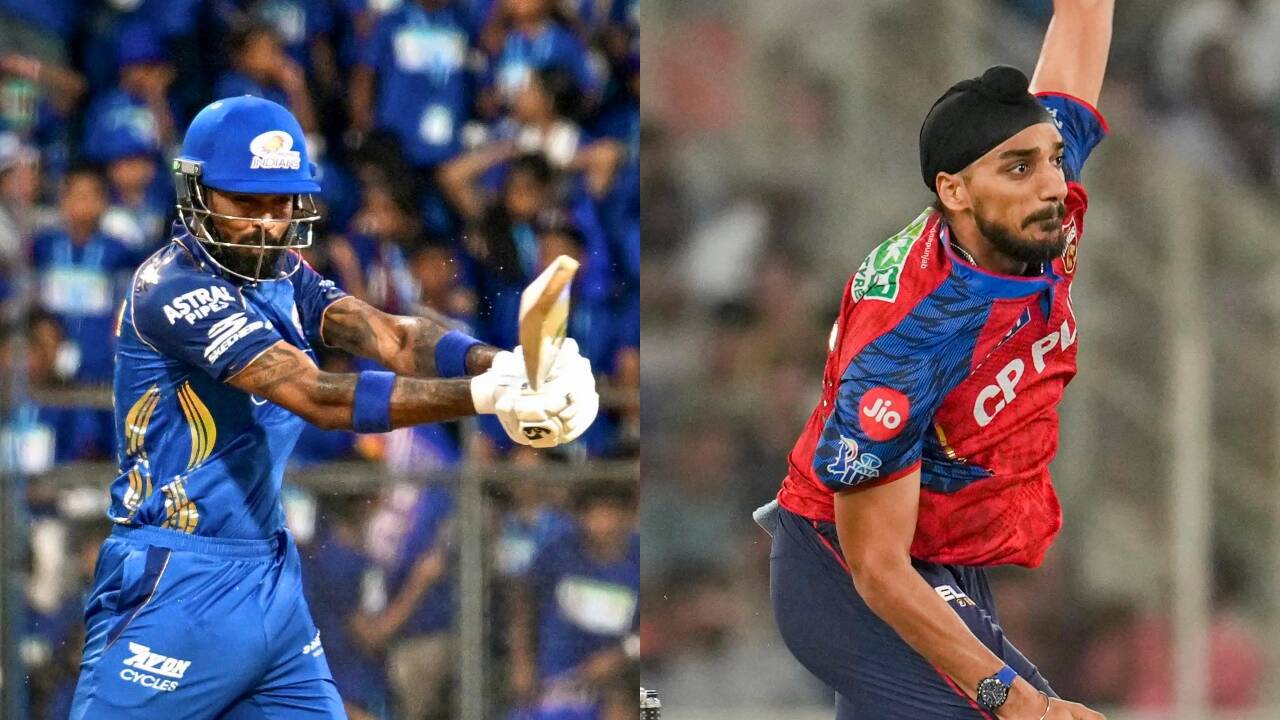
The Indian Premier League has witnessed a seismic shift in its talent architecture as Mumbai Indians and Punjab Kings completed a high-stakes exchange of assets. Hardik Pandya, the all-rounder who led Mumbai for three seasons, has departed for Punjab Kings, while the left-arm fast bowler Arshdeep Singh joins the Mumbai squad. This transaction is not merely a personnel change; it is a recalibration of the league’s power structure, where the loss of a charismatic captain is weighed against the acquisition of a world-class wicket-taker. The immediate shockwave is felt in the dressing rooms of both teams, as they must now rebuild their identities around new core figures.
The underlying tension in this trade reflects the evolving economics of cricket talent, where star power is increasingly commodified and traded for specific tactical needs. For Mumbai, the departure of Pandya creates a leadership vacuum that must be filled by internal promotion or external recruitment, while the addition of Arshdeep provides a potent weapon in the death overs. For Punjab, the arrival of Pandya offers a leadership anchor and a versatile batting option, but it also raises questions about squad depth and the integration of a high-profile player into an existing hierarchy. The institutional friction here lies in the balance between building a franchise around a single star versus creating a resilient, multi-layered team structure.
The downstream consequences of this trade will be felt throughout the upcoming season and beyond. Mumbai’s attack, now bolstered by Arshdeep alongside Jasprit Bumrah, becomes one of the most formidable in the league, potentially altering the strategies of opposing teams. Punjab, with Pandya at the helm, gains a leader who can perform under pressure and contribute significantly to the batting lineup. However, the risk of over-reliance on a single player remains, and the success of this trade will depend on how well both teams manage the transition and integrate their new acquisitions into their existing playing styles.
Comments 0