The Hague Verdict: Myanmar Condemned for Genocide Against the Rohingya
The International Court of Justice has issued a landmark ruling declaring that Myanmar committed genocide against the Rohingya people, a legal determination that reshapes the diplomatic and humanitarian of Southeast Asia. This judicial finding validates years of international advocacy and imposes severe reputational and economic costs on the Myanmar military junta.
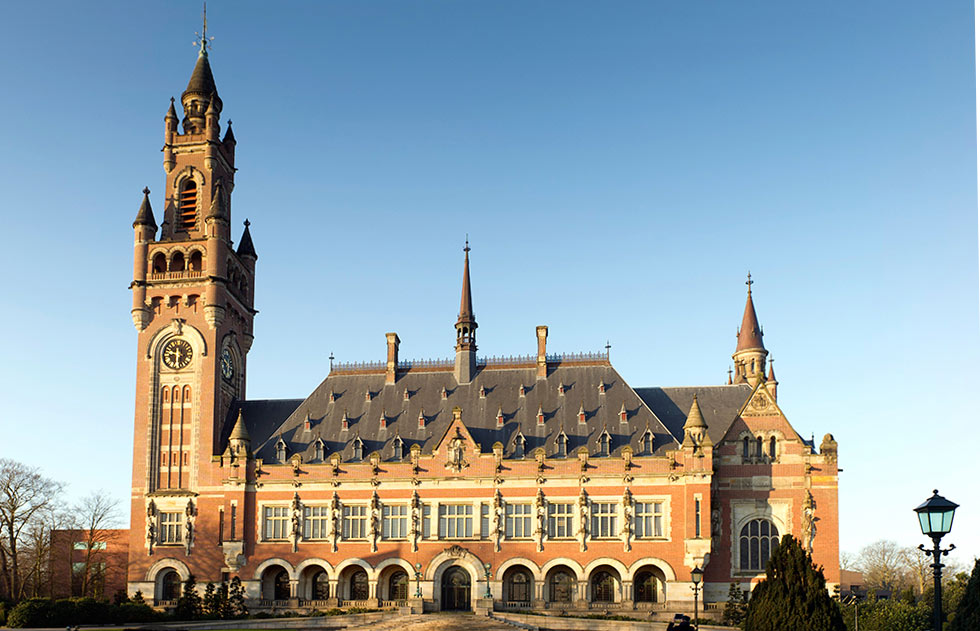
The International Court of Justice has delivered a definitive legal judgment, holding that the Myanmar military committed acts of genocide against the Rohingya Muslim minority. This ruling, grounded in evidence of decades of systemic discrimination, hate speech, and violent expulsion, marks the first time a top-tier international tribunal has formally attributed the label of genocide to the state of Myanmar. The decision transforms a long-standing humanitarian crisis into a matter of international legal accountability, stripping the junta of any plausible deniability regarding the scale and intent of its operations in Rakhine State.
The underlying tension stems from the profound friction between state sovereignty and international human rights law. For years, Myanmar has resisted external scrutiny, framing its actions as counterinsurgency measures against a perceived security threat. The ICJ's ruling pierces this shield of sovereignty, asserting that the duty to prevent and punish genocide overrides domestic political narratives. This institutional friction highlights the limitations of international law in enforcing compliance, as the court lacks direct enforcement mechanisms and must rely on diplomatic pressure and economic sanctions to effectuate its judgment.
The downstream consequences are immediate and severe for Myanmar's international standing. The ruling provides a legal foundation for further sanctions, asset freezes, and criminal prosecutions of military leaders in foreign jurisdictions. It also complicates Myanmar's efforts to normalize relations with Western nations and international financial institutions. For the Rohingya, the verdict offers a measure of justice but does not resolve the crisis of statelessness and displacement, leaving millions in refugee camps while the legal battle shifts to the realm of reparations and individual criminal liability.
Comments 0