The Indian growth story: Why the post-pandemic boom is different
India’s economy fell 5.8% in 2020 before rebounding with 9.7% growth in 2021 and more than 7% expansion in the following years. The post‑pandemic boom shows a different pattern from earlier recoveries.
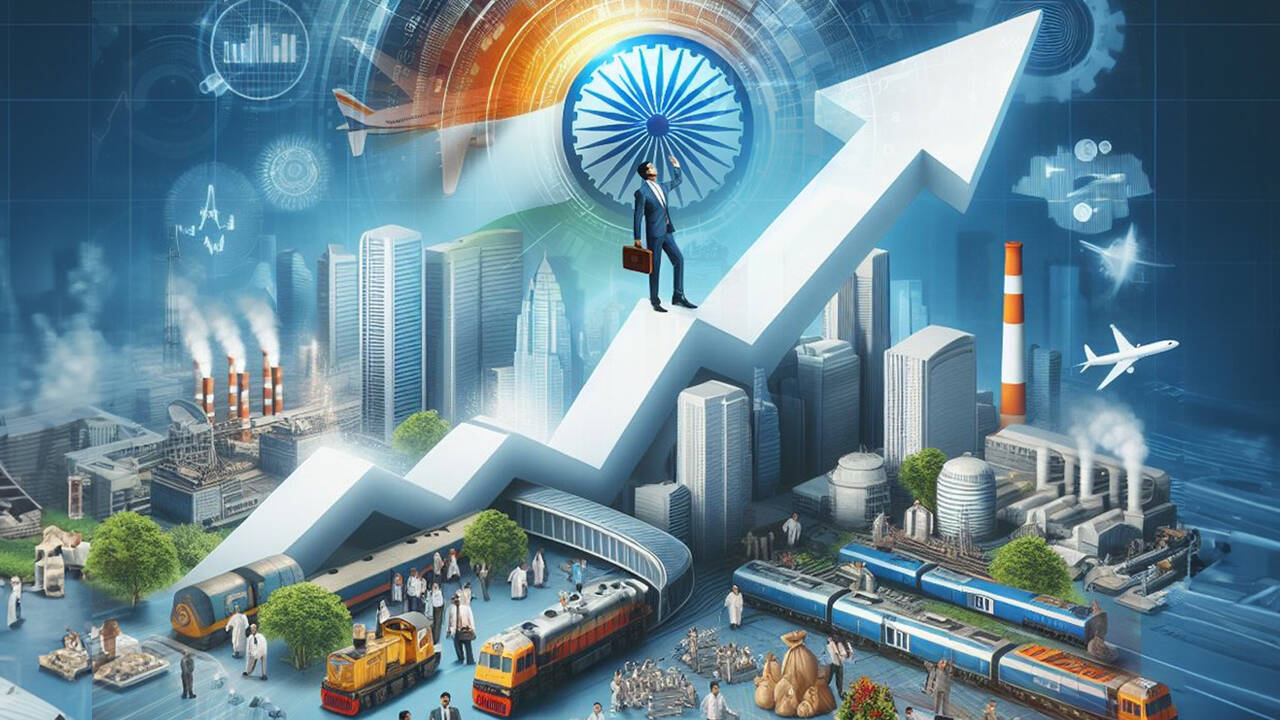
The pandemic caused a sharp contraction in India’s gross domestic product, with a 5.8% decline recorded in the fiscal year 2020‑21 as lockdowns halted manufacturing, services and consumption. The slowdown was felt across sectors, from small retailers to large exporters, and led to a rise in unemployment and a strain on public finances. Government stimulus packages and monetary easing were introduced to cushion the impact, but the immediate effect was a deep recession that tested the resilience of the economy.
In the year that followed, the country posted a remarkable 9.7% growth rate, driven by a surge in demand for goods, a rapid rebound in services, and a strong performance in the export market. Subsequent quarters continued to show more than 7% growth, reflecting sustained consumer confidence, robust private investment and a recovery in the labour market. The current expansion differs from earlier cycles because it is underpinned by digital adoption, higher savings rates, and reforms that have improved the ease of doing business. These factors have helped to generate a more diversified growth engine that is less reliant on a single sector.
For Indian readers, the shift matters because it signals potential improvements in job creation, income levels and public services. A stronger economy can increase tax revenues, allowing the government to fund health, education and infrastructure projects that benefit everyday life. However, the pace of growth also raises questions about inflation, income inequality and the ability of the financial system to sustain credit flows. Observers will be watching how policy makers balance these challenges while trying to maintain the momentum of the recovery.
Comments 0