The Mecca Alliance Issues Direct Ultimatum to Tehran Over Houthi Strikes
Regional security dynamics shift dramatically as a coalition of Middle Eastern powers confronts Iran directly over proxy drone strikes on Saudi infrastructure. The escalation forces Tehran to recalibrate its regional deterrence strategy while testing the durability of recent diplomatic detentes.
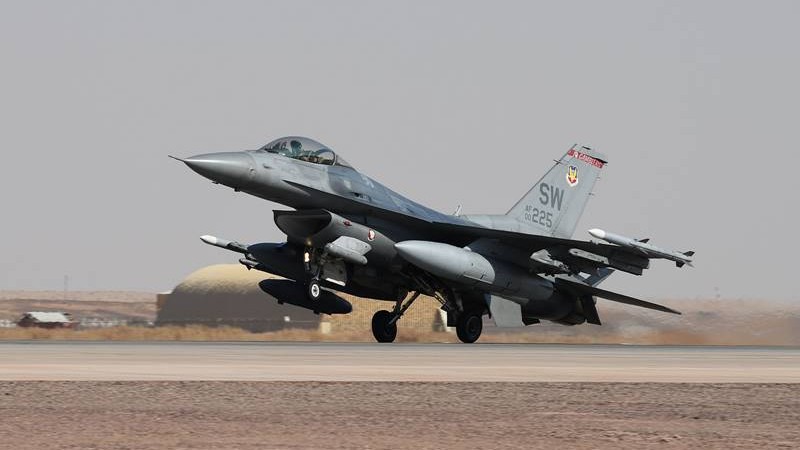
Recent regional architecture faced a profound stress test following coordinated drone incursions targeting critical Saudi Arabian oil installations. Intelligence attribution quickly pointed toward Islamic Revolutionary Guard Corps commanders operating from within mainland Iran, bypassing the nominal deniability previously afforded by regional proxies. In response, the newly minted Mecca Alliance formulated an uncharacteristically sharp warning, signaling that sovereign retaliatory actions would no longer be restricted to peripheral actors. For months, diplomatic channels maintained a fragile equilibrium through backchannel negotiations between Riyadh and Tehran. However, the direct authorization of strikes by senior military figures in Iran shattered the diplomatic veneer, forcing regional foreign ministries to abandon studied ambiguity. Gulf states, long anxious about American reliability, chose a posture of collective deterrence, pooling intelligence and air defense resources to present a unified diplomatic and military front against further transgressions. This hardening of regional fault lines creates immediate economic anxieties across global energy markets, raising the structural risk premium on crude oil. The principal casualty of this realignment is the nascent regional dialogue; transactional diplomacy has been supplanted by rigid alignment and active threat postures. Over the coming quarters, the standoff risks transforming the Arabian Peninsula into an active theater of kinetic friction, permanently altering maritime trade security.
Comments 0