The Price of Early Recognition: Ke Huy Quan and Hollywood’s Financial Reckoning
Recent disclosures by actor Ke Huy Quan regarding historical compensation disparities on major studio sets have brought industry labor practices under renewed scrutiny. This revelation highlights the historical exploitation of minor actors in golden-era Hollywood blockbusters.
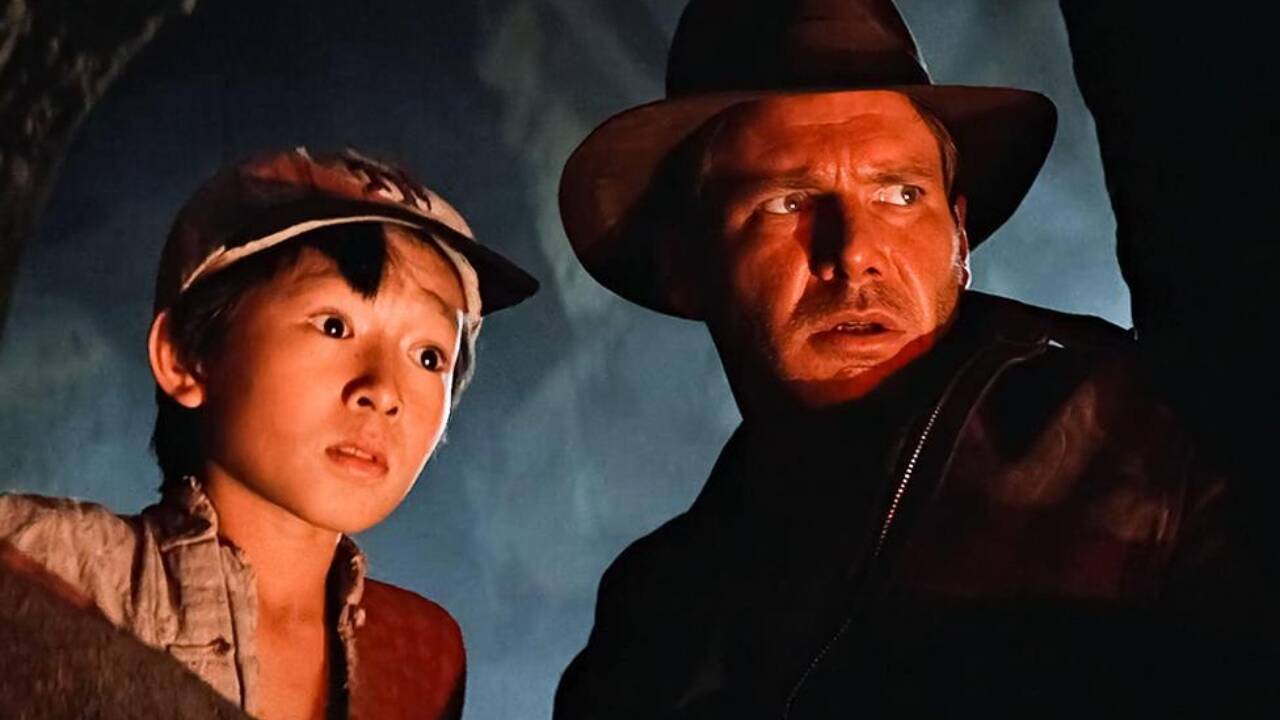
The mythos of cinematic triumph often conceals the precarious labor conditions experienced by child actors and marginalized performers within major studio systems. In his memoir, Ke Huy Quan revealed that legendary filmmaker Steven Spielberg intervened to provide financial support long after the production of Indiana Jones and the Temple of Doom concluded. This anecdote exposes the vast discrepancy between studio box-office profits and the meager compensation afforded to vulnerable cast members during the height of production. The structural friction centers on the imbalance of power between monopolistic studios and juvenile performers who lacked adequate legal representation or union protections during past decades. While modern child labor laws and guild regulations have introduced strict safeguards, historical contracts often left actors exposed to financial precarity despite contributing to global cultural phenomena. The immediate consequence is a public reassessment of studio ethics during the nineteen-eighties, prompting renewed advocacy for retroactive residual compensation. Over the long term, these disclosures contribute to a more transparent industry standard regarding equitable profit-sharing for ensemble and supporting casts.
Comments 0