The Ramnami Devotion of Chhattisgarh as a Historical Resistance Against Caste Exclusion
Generations of the Ramnami community in Chhattisgarh have tattooed the name of Ram across their bodies to protest historical temple entry bans. This bodily tradition endures as a profound to spiritual autonomy amid persistent social exclusion.
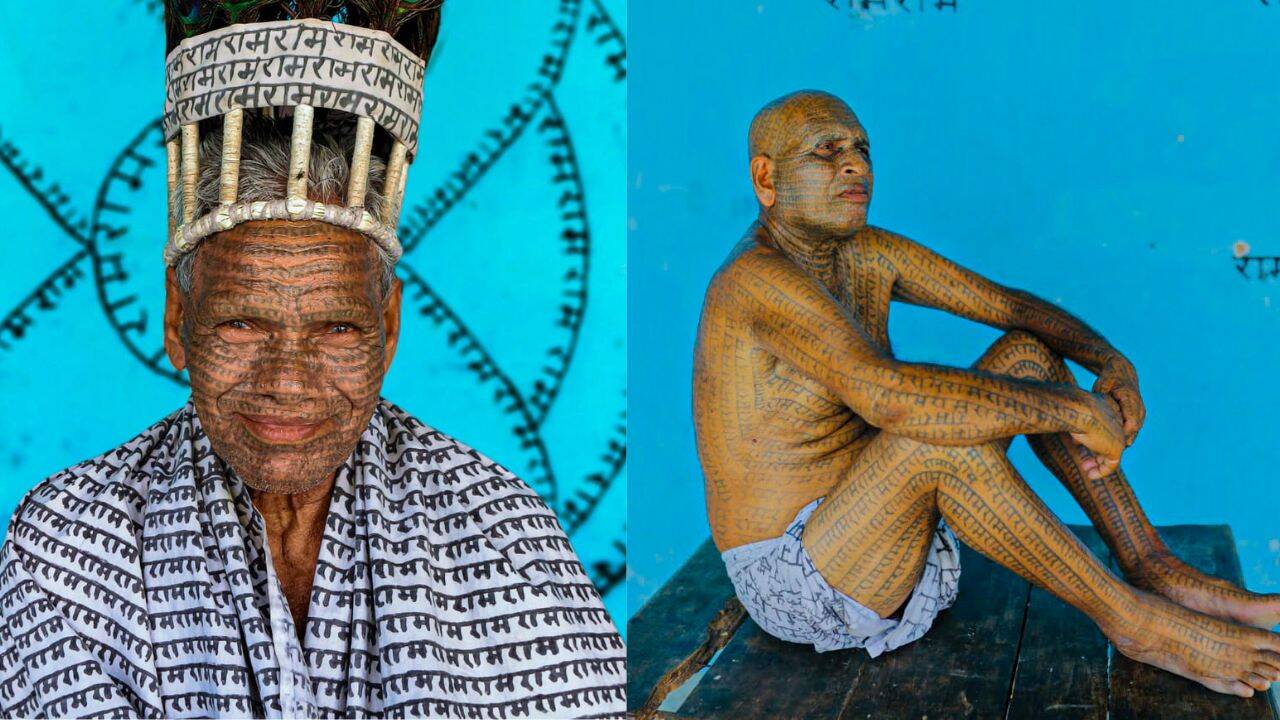
Denied entry to mainstream sanctuaries due to rigid historical caste hierarchies, marginalized populations forged an alternative theology directly upon their own skin. Practitioners utilized simple indigo pigments to cover themselves in sacred syllables, transforming their physical forms into moving temples. This silent insurrection bypassed clerical authority entirely, establishing a direct, unmediated relationship with the divine. Social stratification in rural tracts has evolved, yet subtle forms of discrimination continue to restrict equitable community integration. Younger generations confront modern pressures of assimilation and urban migration, threatening the continuity of this distinctive bodily art form. Elders struggle to transmit the deep historical significance of the tattoos to youth drawn toward contemporary secular lifestyles. The enduring survival of this practice preserves a unique chapter of subaltern religious history within the regional cultural . Cultural preservationists now document these living manuscripts before the aging cohort of traditional practitioners passes away. The societal outcome remains a poignant reminder of grassroots resilience against institutionalized prejudice.
Comments 0