The rise, fall and nostalgia of Hauz Khas Village
Hauz Khas Village, once a quiet historic enclave, evolved into Delhi’s trend‑setting cultural hotspot before recent development pressures began to alter its character. Heritage advocates are now urging authorities to protect the area’s unique blend of old architecture and modern creativity.
Hauz Khas Village sits on the edge of a historic complex that dates back to the 13th century, when the Delhi Sultanate built a large water tank and surrounding madrasa as part of a fortified settlement. The reservoir, known as the Hauz, still supplies a tranquil lake that is framed by the ancient Qutub Minar style architecture and a series of stone arches. Over the centuries the area remained relatively quiet, serving as a green lung within the expanding capital until the turn of the millennium when developers began to recognize its aesthetic appeal.
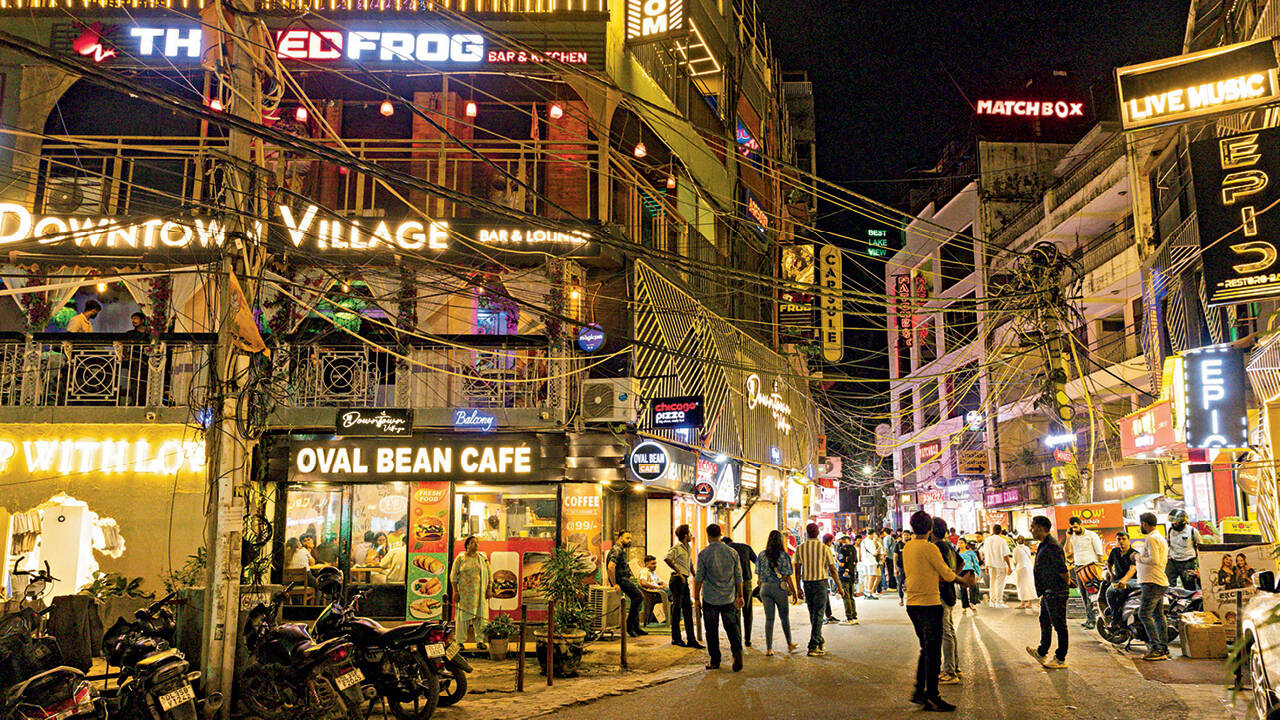
In the early 2000s a wave of boutique cafés, art galleries, and designer boutiques transformed the once quiet enclave into one of Delhi’s most fashionable destinations. Young professionals, students, and tourists flocked to the narrow lanes to enjoy rooftop dining, live music, and street art that blended modern creativity with the historic backdrop. The mix of heritage structures and contemporary businesses created a unique atmosphere that quickly became a symbol of the city’s evolving cultural scene, and property values rose sharply as demand for space increased.
Over the past few years the village has begun to lose some of its original charm as rising rents force long‑standing owners to relocate and new high‑rise developments replace older buildings. Many residents recall the early days when the community felt like a close‑knit neighborhood, and there is growing concern among heritage activists that the character of the area is being eroded. Local groups have started petitions to protect the remaining historic facades and to regulate further commercial expansion, hoping to balance growth with the preservation of the village’s distinctive identity.
Comments 0