The Sanctions Standoff: Washington Pauses Russian Oil Measures Amidst Indian Energy Calculations
The United States has suspended a comprehensive sanctions package targeting Russian energy exports, a move that directly alters the strategic calculus for India's crude imports. This pause grants New Delhi temporary breathing room to maintain discounted oil flows while navigating the complex diplomatic pressures of the Graham Act.
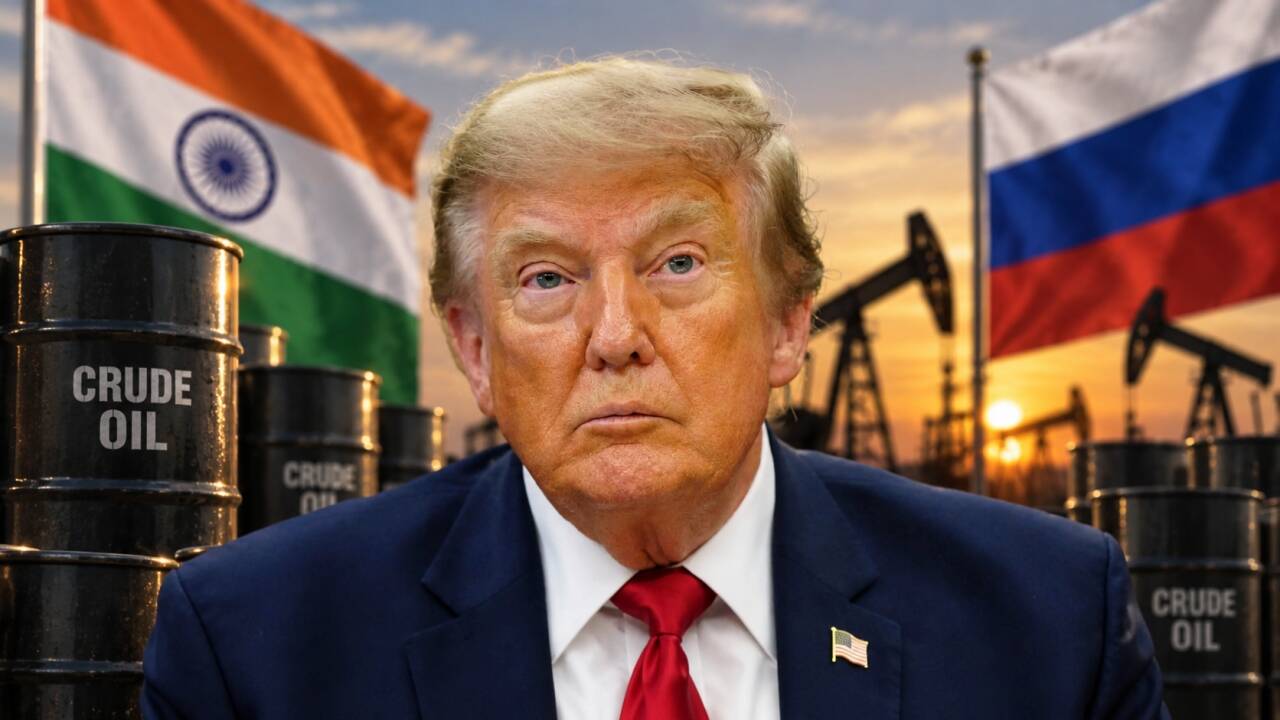
The White House has placed the Lindsey O. Graham Sanctioning Russia and Iran Act of 2026 on indefinite hold, effectively freezing the broad secondary sanctions that threatened to disrupt global energy markets. This decision, framed by the administration as serving the national interest, creates an immediate window of stability for major buyers who have relied on Russian barrels to offset inflationary pressures. For India, the pause is not merely a diplomatic courtesy but a critical operational reprieve that allows state and private refiners to continue procuring discounted crude without the immediate risk of punitive financial isolation from Western banking systems.
The underlying tension stems from the friction between geopolitical alignment and economic necessity. While the United States seeks to isolate Moscow financially, India has maintained a pragmatic stance, prioritizing energy security and cost efficiency over strict adherence to Western sanctions regimes. The institutional friction is palpable as New Delhi balances its strategic partnership with Washington against the tangible benefits of Russian energy. This pause suggests a tacit understanding that immediate enforcement would destabilize global supply chains, forcing the US to recalibrate its approach to ensure that its allies are not caught in the crossfire of its own aggressive trade policies.
The downstream consequences are significant for both the Indian economy and the global energy . By avoiding the immediate shock of full sanctions, India can stabilize its domestic fuel prices and reduce its trade deficit, providing a buffer against global inflation. However, this temporary respite does not resolve the structural vulnerability of relying on sanctioned energy sources. The pause merely delays the inevitable reckoning, leaving Indian policymakers with a narrow window to diversify their supply chains and negotiate long-term energy deals that insulate the nation from future geopolitical volatility.
Comments 0