The Semiconductor Reality: Evaluating India's Manufacturing Ambitions
Union Minister Ashwini Vaishnaw reports substantial progress on India's domestic semiconductor initiatives at the Semicon India summit in New Delhi. The transition from theoretical policy to concrete fabrication plants marks a foundational shift in the nation's industrial architecture.
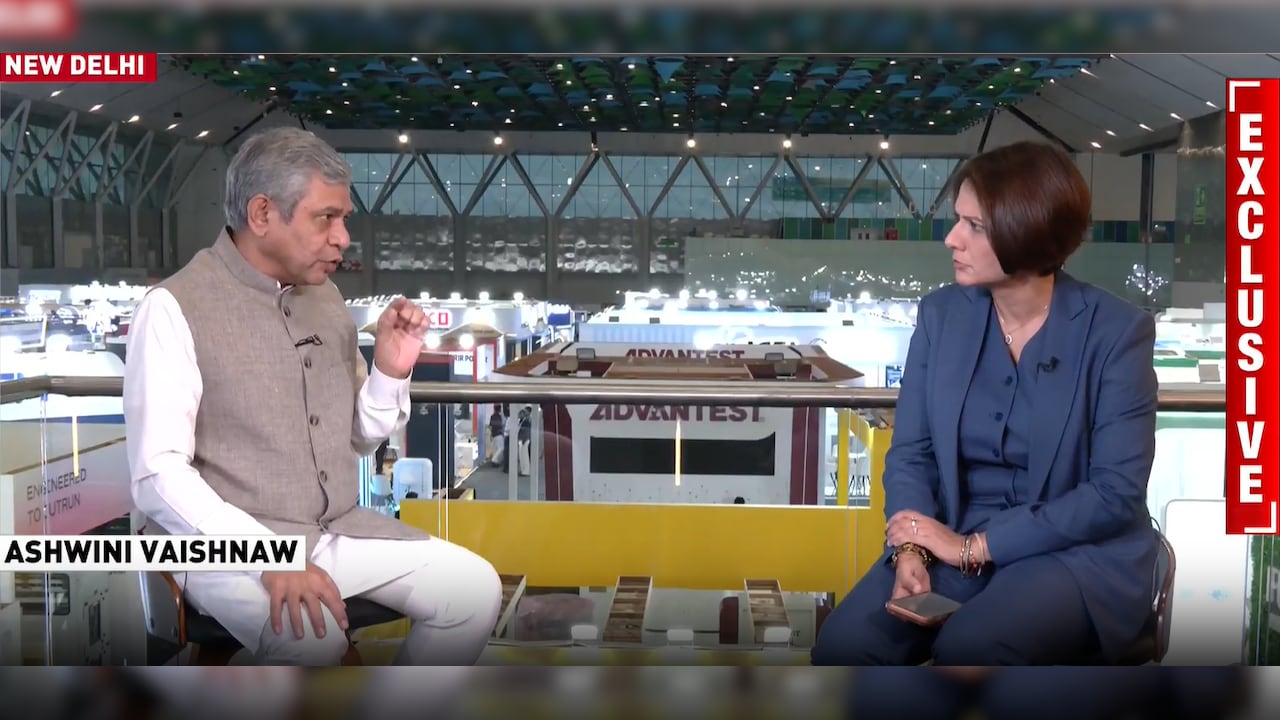
For decades, India remained a consumer rather than a creator of silicon architecture, watching global microchip supply chains consolidate in East Asia. The recent briefings by Union Minister Ashwini Vaishnaw at the Semicon India forum in New Delhi outline a distinct departure from that historical dependency. By grounding policy in physical execution rather than aspirational rhetoric, the administration has begun shifting industrial momentum toward indigenous fabrication. The underlying friction involves immense capital requirements, reliable water and power supply chains, and the scarcity of specialized domestic engineering talent. Competing against established ecosystems in Taiwan and South Korea demands sustained fiscal subsidies and bureaucratic agility that Indian public sector institutions have historically struggled to maintain. Yet the gravitational pull of global supply chain diversification has provided New Delhi with a narrow window to secure long-term technology partnerships. Should these domestic foundries successfully transition from construction to commercial yield over the coming quarters, India will secure structural insulation against geopolitical shocks in the Indo-Pacific. The immediate beneficiaries are domestic electronics manufacturers and defense contractors, who will gain direct access to sovereign silicon supply lines, reducing vulnerability to external export controls.
Comments 0