The Senate Floor Reopens for a Fragile Veteran of Legislative Warfare
Mitch McConnell returns to the United States Senate following an extended medical absence prompted by a severe fall. His reintegration into active legislative duties signals an immediate consolidation of power within the Republican caucus as policy votes approach.
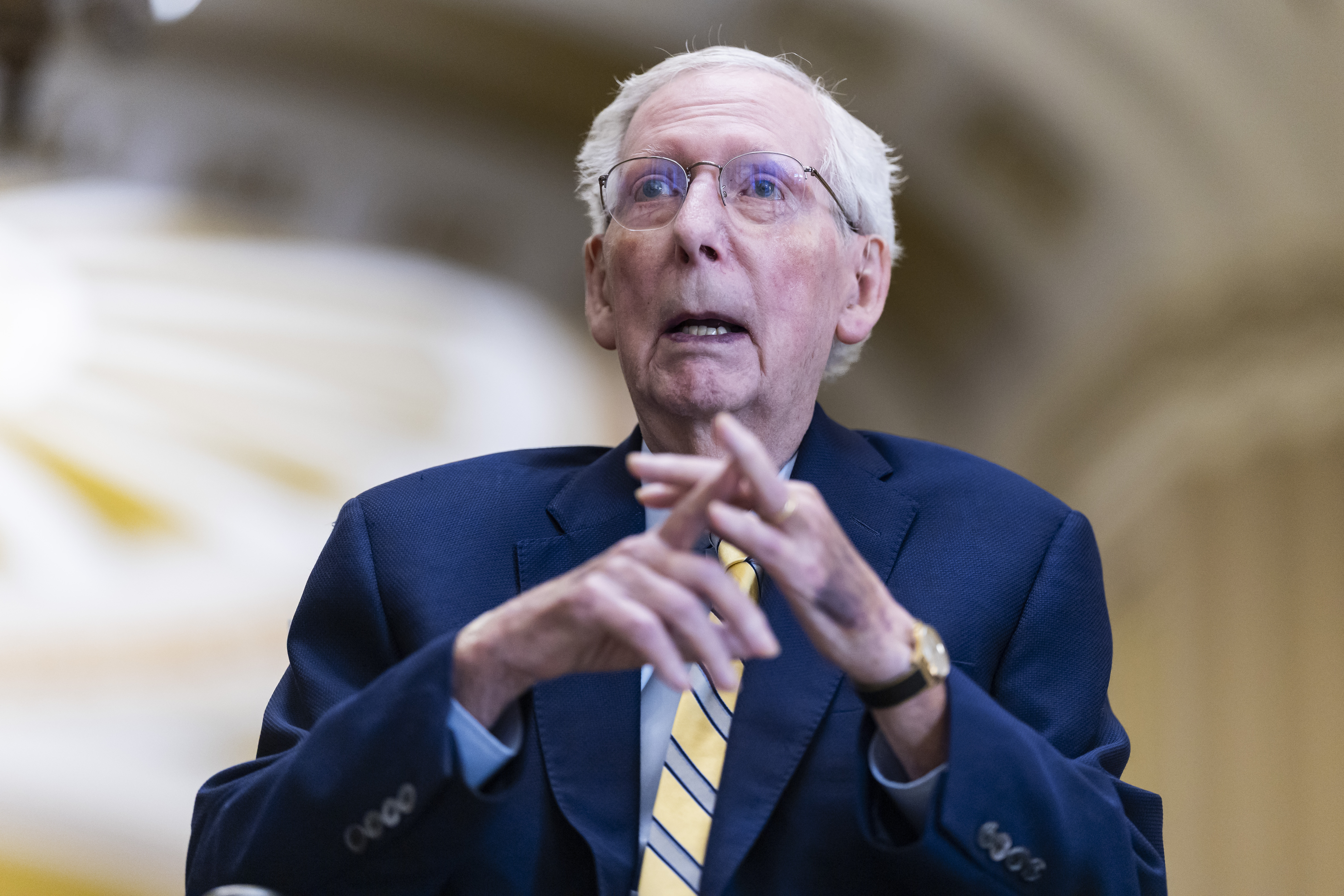
The physical architecture of the United States Capitol often mirrors the frailties of the figures who inhabit its halls. After weeks spent in secluded medical recovery following a fall that left him briefly unconscious, the senior senator from Kentucky stepped back onto the chamber floor with measured steps. His prolonged absence had triggered quiet succession scrambles and acute anxiety among party strategists who rely on his institutional navigation skills to maintain party discipline during fiercely contested budget cycles. Beneath the surface of his return lies a persistent friction regarding age, capacity, and the prolonged tenure of political gerontocracy in American governance. While supporters frame his comeback as an exercise in stubborn resilience, internal critics point to the institutional vulnerabilities exposed during his absence. Legislative momentum stalled repeatedly as deputies vied for informal authority, revealing the fragile centralization of power that characterizes modern congressional leadership structures. The immediate consequence of his reappearance is the restoration of traditional hierarchy within the Senate Republican leadership ranks, halting the drift toward factional infighting. Yet, the systemic reality remains unchanged: the chamber operates under the persistent shadow of health uncertainties among its oldest members. Lawmakers now face an accelerated legislative calendar with diminished margin for error, knowing that every vote remains hostage to the physical endurance of aging statesmen.
Comments 0