The Silent Tragedy of Nithari: Unraveling the Shadows Surrounding Surinder Koli in Haridwar
Surinder Koli, who was previously acquitted in the harrowing Nithari killings, was found dead under suspicious circumstances in Haridwar while living under an assumed alias. His sudden demise reignites fierce national debate regarding institutional accountability, rehabilitation, and the heavy burden of social ostracization.
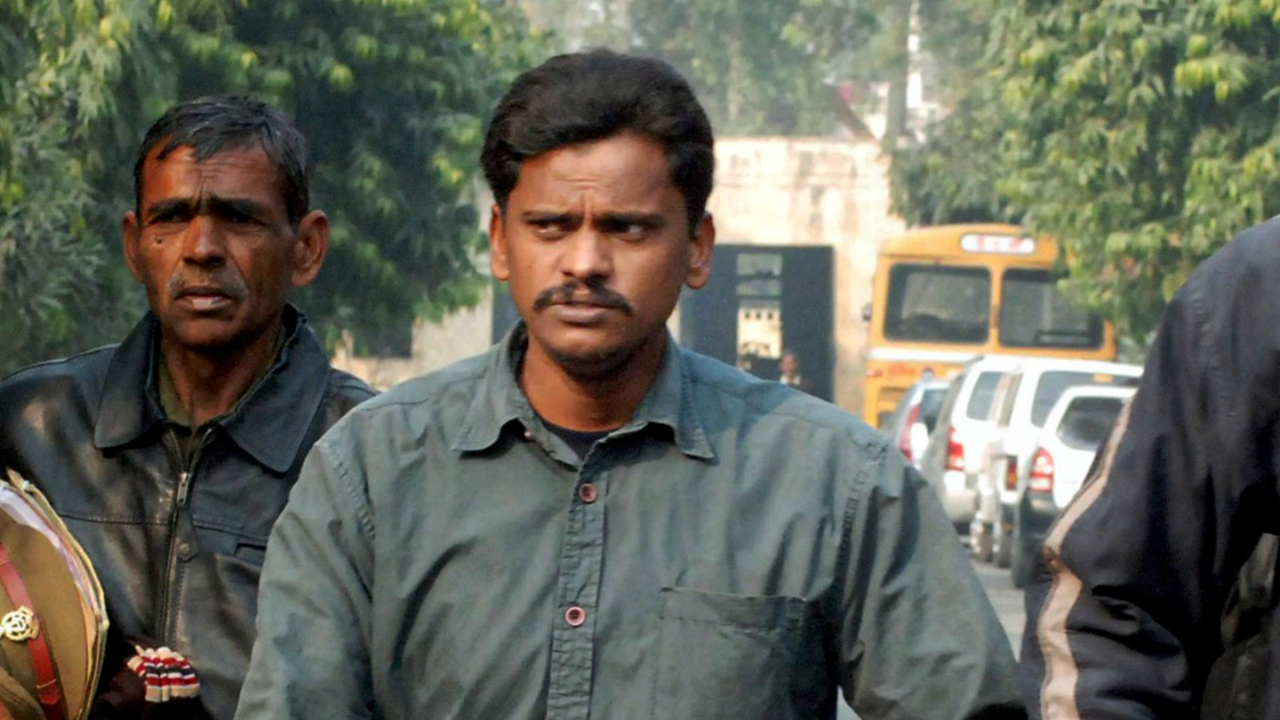
The discovery of Surinder Koli hanging inside a modest dwelling in Uttarakhand brought a chilling finality to one of the most gruesome criminal chapters in modern Indian history. Following his legal acquittal by the judiciary, Koli had attempted to re-enter civil society by operating a small tea kiosk in Haridwar under the fabricated identity of Sada Ram. This quiet anonymity was shattered permanently when local authorities recovered his lifeless body, transforming a nondescript alleyway into a focal point for sensational media scrutiny and lingering public outrage over the handling of the original investigations. The circumstances of his death immediately triggered sharp friction between local law enforcement and civil rights advocates who had monitored his post-prison trajectory. While initial police assessments leaned toward suicide driven by the psychological weight of his past, activists stepped forward to allege systematic harassment and underlying foul play that shadowed his every movement. This friction exposes the profound vacuum in India's penal system concerning individuals who are legally exonerated after enduring decades of incarceration; society offers neither genuine psychological rehabilitation nor adequate physical protection, leaving them marooned in dangerous social limbo. Ultimately, the abrupt conclusion to Koli's life leaves a legacy defined by institutional failure on multiple fronts, ranging from the investigative botches of the original Noida murders to the total absence of a state-backed reintegration framework. The immediate outcome is a deepening distrust among victims families and human rights observers who feel that true justice was never fully served, leaving the core systemic wounds of the Nithari episode permanently unhealed. As authorities close the case file on his death, the broader societal reckoning regarding how the legal system manages the aftermath of mass trauma remains entirely unresolved.
Comments 0