The Stalled Dialogue: Structural Failures in Iran-US Negotiations
Negotiations between Iran and the United States continue to fail due to deeply entrenched policy complexes and a history of hostility. The inability to find common ground on core issues reflects a fundamental misalignment in strategic objectives and trust deficits that transcend current diplomatic efforts.
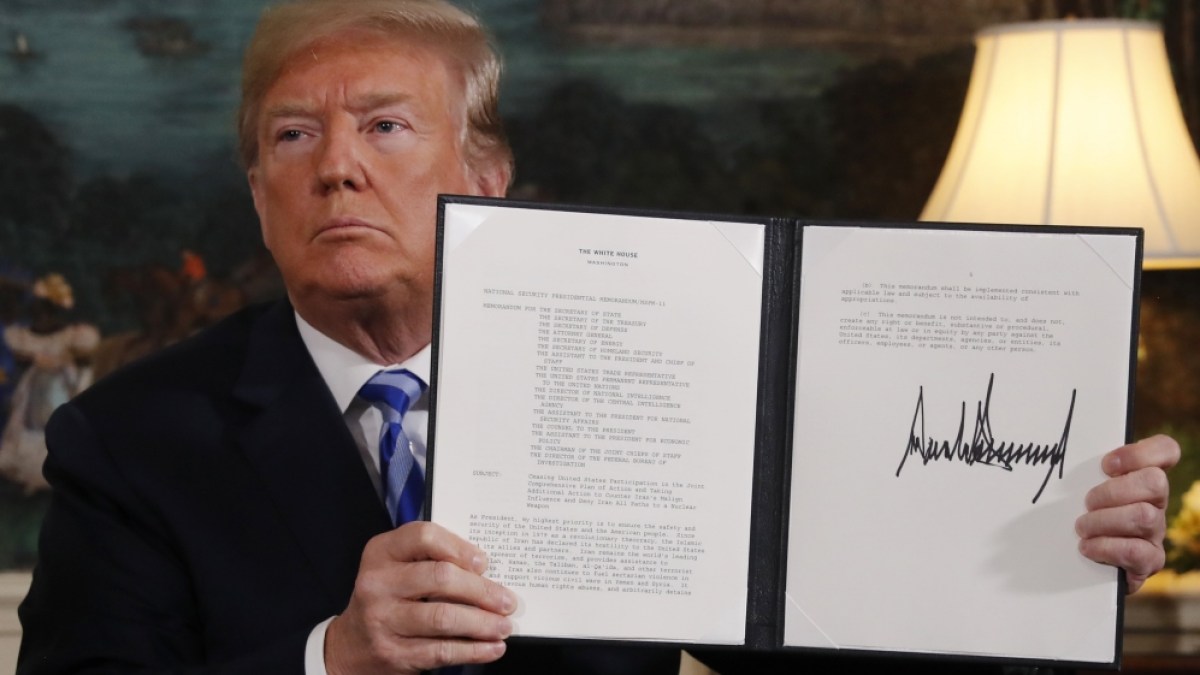
The concrete rupture in Iran-US relations is the persistent failure of diplomatic negotiations to yield any substantive progress. The talks, which have been ongoing for years, continue to stall due to a lack of trust and a fundamental disagreement on core issues such as nuclear capabilities and regional influence. The immediate impact is a continued state of tension, with both nations maintaining a posture of vigilance and preparedness. The failure of these negotiations has reinforced the perception that diplomatic channels are ineffective, leading to a reliance on other means of exerting pressure and influence.
The underlying tension in this relationship is rooted in a history of hostility and a series of broken promises and failed agreements. Institutional friction is evident in the differing strategic objectives of the two nations, with the US seeking to limit Iran's nuclear program and regional influence, while Iran seeks to protect its sovereignty and expand its influence in the region. The policy complexes that shape these interactions are deeply ingrained, making it difficult to find common ground. The friction is further compounded by the internal political dynamics of both countries, where hardline factions on both sides are resistant to compromise.
The downstream consequences of the stalled dialogue are significant. The tangible outcome is a continued state of tension, with the risk of military confrontation remaining high. The systemic impact includes a destabilization of the region, as both nations seek to exert influence through proxy forces and other means. The long-term consequence is a deepening of the divide between the two nations, making future diplomatic efforts even more challenging. The failure of these negotiations has also reinforced the perception that the international community is unable to effectively manage the Iran-US relationship, leading to a search for alternative solutions.
Comments 0