The Strategic Calculus of Advanced Airpower in West Asia
Washington is advancing a multi-billion dollar agreement to supply F-35 fighter jets to Saudi Arabia. This transaction faces intense scrutiny from regional observers concerned with maintaining the regional military balance.
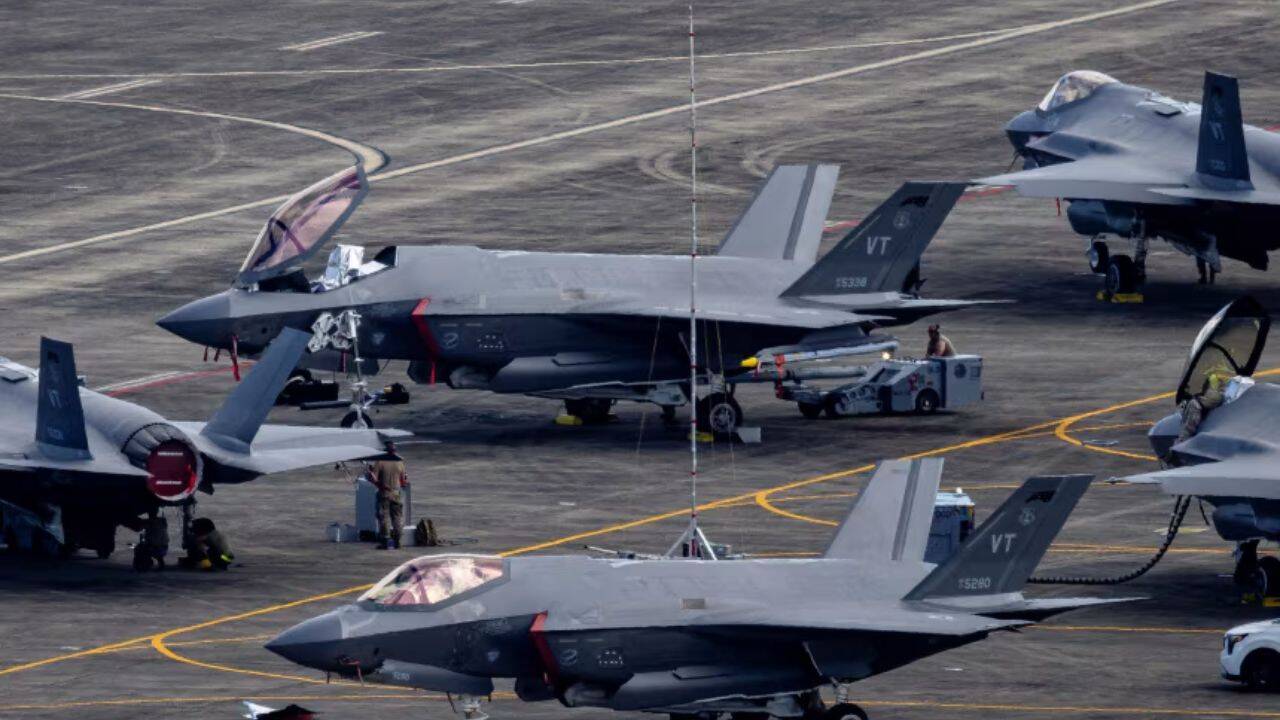
The proposed military transfer of advanced stealth aircraft valued at over twenty-four billion dollars represents a major shift in American security architecture within the Middle East. By positioning Riyadh to acquire fifth-generation fighter technology, Washington seeks to solidify strategic partnerships and counter regional adversaries through allied deterrence. However, this move upsets the long-standing qualitative military edge doctrine that has guided American arms sales for decades. Legislative bodies in the West and defense planners in Israel are raising alarms over the potential erosion of strategic deterrence. The integration of high-end avionics and stealth capabilities into a non-treaty ally's inventory introduces complex security risks regarding technology leakage and shifting regional ambitions. Diplomats are currently negotiating stringent operational constraints to govern the deployment and maintenance of these aircraft, attempting to balance commercial arms manufacturing interests with long-term regional stability. Should the transaction proceed without substantial modification, it will accelerate an arms race across the Gulf, compelling rival states to seek advanced counter-stealth systems from alternative global suppliers. The immediate beneficiary is the American defense industrial base, while the long-term casualty is the predictability of the regional security paradigm.
Comments 0